Saltar al contenido principal
Why Only Us

Why Only Us

Language And Evolution

Berwick, Robert C / Noam Chomsky / Chomsky, Noah

"A loosely connected collection of four essays that will fascinate anyone interested in the extraordinary phenomenon of language." -- New York Review of BooksWe are born crying, but those cries signal the first stirring of language. Within a year or so, infants master the sound system of their language; a few years after that, they are engaging in conversations. This remarkable...

Editorial:
Mit Press
Año de edición:
2016
Materia:
Ciencia - STEM
ISBN:
978-0-262-03424-1
Páginas:
224
Encuadernación:
OTROS
Q. 230
IVA incluido
No disponible
Añadir a favoritos Avisar disponibilidad

Sinopsis

"A loosely connected collection of four essays that will fascinate anyone interested in the extraordinary phenomenon of language." -- New York Review of Books
We are born crying, but those cries signal the first stirring of language. Within a year or so, infants master the sound system of their language; a few years after that, they are engaging in conversations. This remarkable, species-specific ability to acquire any human language -- "the language faculty" -- raises important biological questions about language, including how it has evolved. This book by two distinguished scholars -- a computer scientist and a linguist -- addresses the enduring question of the evolution of language.
Robert Berwick and Noam Chomsky explain that until recently the evolutionary question could not be properly posed, because we did not have a clear idea of how to define "language" and therefore what it was that had evolved. But since the Minimalist Program, developed by Chomsky and others, we know the key ingredients of language and can put together an account of the evolution of human language and what distinguishes us from all other animals.
Berwick and Chomsky discuss the biolinguistic perspective on language, which views language as a particular object of the biological world; the computational efficiency of language as a system of thought and understanding; the tension between Darwin's idea of gradual change and our contemporary understanding about evolutionary change and language; and evidence from nonhuman animals, in particular vocal learning in songbirds.

Artículos relacionados

Como Funciona la Comida

Como Funciona la Comida

Smil, Vaclav

Un análisis claro y penetrante del frágil engranaje que sostiene nuestra alimentación y de los desafíos urgentes para transformarlo. «Uno de los pensadores más importantes del mundo sobre la teoría del desarrollo y un maestro del análisis estadístico». The Guardian «Vaclav Smil es mi autor favorito». Bill Gates Nunca hemos tenido que alimentar a tantas personas como en la actua...

Disponible

Q. 180

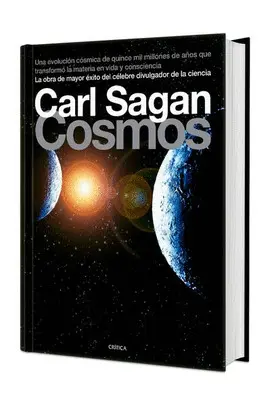
Cosmos

Cosmos

Carl Sagan

La obra de mayor éxito del célebre divulgador de la ciencia.Cosmos trata de la ciencia en su contexto humano más amplio y explica cómo la ciencia y la civilización se desarrollan conjuntamente. La obra aborda también el tema de las misiones espaciales destinadas a explorar los planetas más próximos a la Tierra, del origen de la vida, de la muerte del Sol, de...

Único ejemplar, sujeto
a consulta.

Q. 290

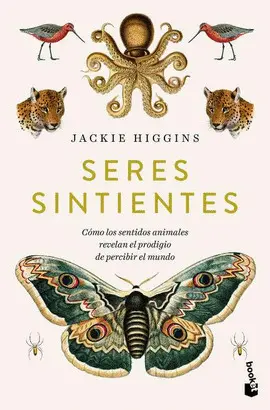
Seres Sintientes

Seres Sintientes

Jackie Higgins

Una audaz y maravillosa reflexión sobre cómo algunos animales sienten el entorno y cómo su percepción abre nuevas formas de apreciar lo que nos rodea.Richard Dawkins sugería que podemos ver el mundo de manera inusual para recuperar la sensación de estar en un mundo nuevo, y eso es lo que nos invita a hacer esta exploración de la herencia evolutiva de los sentidos. A través de t...

Disponible

Q. 180

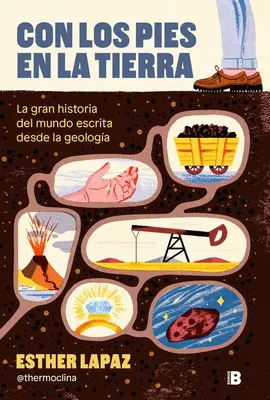
Con los Pies en la Tierra

Con los Pies en la Tierra

Lapaz (@Thermoclina), Esther

¿Y si la historia del mundo no se hubiera escrito solo con reyes, guerras y revoluciones? ¿Y si el clima y los recursos naturales hubieran sido decisivos en cada uno de sus giros? ¿Y si la geología fuera la gran protagonista invisible de nuestro pasado? Desde el primer chispazo que encendió el fuego en la prehistoria hasta la feroz competencia por las tierras raras que sostiene...

Disponible

Q. 260

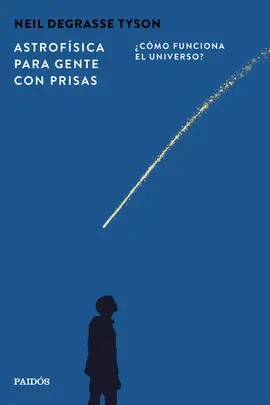
Astrofísica para Gente con Prisas

Astrofísica para Gente con Prisas

Tyson, Neil Degrasse

LLÉVATE LOS GRANDES ÉXITOS DEL PENSAMIENTO DONDE TÚ QUIERASHoy en día son pocos los que cuentan con el tiempo necesario para detenerse y contemplar el cosmos. En Astrofísica para gente con prisa, Neil deGrasse Tyson condensa las grandes preguntas del cosmos en breves capítulos tan claros como adictivos. Del big bang a los agujeros negros, de los quarks a la mecánica cuántica, y...

Disponible

Q. 205

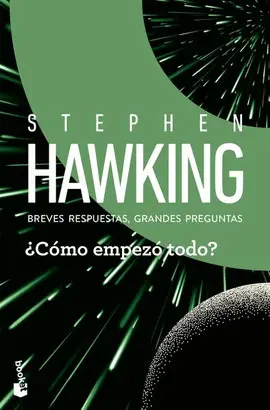
¿Cómo Empezó Todo?

¿Cómo Empezó Todo?

Stephen Hawking

Las grandes preguntas del universo respondidas brevemente por Stephen Hawking, una de las mentes más brillantes de nuestro tiempo.Breves respuestas a las grandes preguntas de Stephen Hawking: ¿Cómo empezó todo?, ¿Qué hay dentro de un agujero negro?, ¿Sobreviviremos en la Tierra?,¿Nos sobrepasará la inteligencia artificial? ¿Cómo empezó tod...

Disponible

Q. 80