Saltar al contenido principal
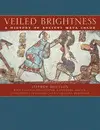
Veiled Brightness
-10%

Veiled Brightness

A History Of Ancient Maya Color

Stephen Houston Et Al

Color is an integral part of human experience, so common as to be overlooked or treated as unimportant. Yet color is both unavoidable and varied. Each culture classifies, understands, and uses it in different and often surprising ways, posing particular challenges to those who study color from long-ago times and places far distant. Veiled Brightness reconstructs what color mean...

Editorial:
University Of Texas Press
Año de edición:
2009
Materia:
Estudios mayas
ISBN:
978-0-292-71900-2
Páginas:
162
Q. 980
Q. 882
IVA incluido
No disponible
Añadir a favoritos Avisar disponibilidad

Sinopsis

Color is an integral part of human experience, so common as to be overlooked or treated as unimportant. Yet color is both unavoidable and varied. Each culture classifies, understands, and uses it in different and often surprising ways, posing particular challenges to those who study color from long-ago times and places far distant. Veiled Brightness reconstructs what color meant to the ancient Maya, a set of linked peoples and societies who flourished in and around the Yucatan Peninsula of Mexico and Central America. By using insights from archaeology, linguistics, art history, and conservation, the book charts over two millennia of color use in a region celebrated for its aesthetic refinement and high degree of craftsmanship.

The authors open with a survey of approaches to color perception, looking at Aristotelian color theory, recent discoveries in neurophysiology, and anthropological research on color. Maya color terminology receives new attention here, clarifying not just basic color terms, but also the extensional or associated meanings that enriched ancient Maya perception of color. The materials and technologies of Maya color production are assembled in one place as never before, providing an invaluable reference for future research.

From these investigations, the authors demonstrate that Maya use of color changed over time, through a sequence of historical and artistic developments that drove the elaboration of new pigments and coloristic effects. These findings open fresh avenues for investigation of ancient Maya aesthetics and worldview and provide a model for how to study the meaning and making of color in other ancient civilizations.

Artículos relacionados

Treasures Of The Aztecs, Inca & Other Mesoamericans -10%

Treasures Of The Aztecs, Inca & Other Mesoamericans

Andrew Whitfield / Richard Mccoll

Mesoamerica experienced a significant flourishing in the years beginning with Early Classic period, through to the Maya civilisation and culminating in the eventual fall of the Aztec civilisation in the 16th Century CE. Through these treasures of fine art and architecture we can uncover the mysteries of the myths, gods and religions of the time and appreciate the true cultural ...

Disponible
Q. 250

Q. 225

Madre Tierra -10%

Madre Tierra

Crisóstomo, Luis Javier

"La humanidad debe alfabetizarse en lectura y buena escucha acerca del lenguaje de la naturaleza puesto que es comu´n en la cultura de pueblos originarios escuchar dia´logos entre persona, entre personas y plantas y entre personaes y animales que viven en el entorno ...

Único ejemplar, sujeto
a disponibilidad
Q. 135

Q. 122

Un Palacio en la Ciudad de los Dioses, Teotihuacán -10%

Un Palacio en la Ciudad de los Dioses, Teotihuacán

Laurette Sejourne

Teotihuacan sigue siendo noticia. No sólo por los descubrimientos que se hayan realizado en la Pirámide de la Luna, sino por el reto que representa a los investigadores de nuestro pasado. Un palacio en la ciudad de los dioses: Teotihuacan significa una nueva y profunda mirada sobre el sentido ético y estético que animó a esa ciudad. Además reconstruye su espacio simbólico y men...

Disponible
Q. 185

Q. 167

Las Mujeres en el Arte Maya -10%

Las Mujeres en el Arte Maya

María Elena Vega Villalobos / Luin, Camilo Alejandro

La representaci´n femenina en la diversa obra plástica de Mesoamérica, tanto en monumentos públicos como en cerámica, artefactos voticos y códices, es conocida desde periodos tempranos. El análisis epig´rafico, el estudio iconog´rafico y la arqueología han identificado la figura femenina en las representaciones artísticas; las cláusulas nominales en los textos mayas permiten co...

Disponible
Q. 70

Q. 63

The Comitán Valley -10%

The Comitán Valley

Caitlin C. Earley

"The Comitán Valley sits in what is now the state of Chiapas, Mexico, but a thousand years ago it was the western fringe of the Maya empire. The art in Comitán looks different from the art found in the nearest Maya capitals like Palenque and Yaxchilan, but also incorporates essential Maya techniques and ideas. For many years, those who bothered to study the art of Comitán, part...

Único ejemplar, sujeto
a disponibilidad
Q. 980

Q. 882

Los Mayas y Su Astronomia -10%

Los Mayas y Su Astronomia

Polo Cossich, Carlos

1. Los mayas en Mesoamérica, contexto y períodos--2. Observaciones astronómicas de los mayas--3. Observaciones solares mayas--4. Arqueoastronomía maya--5. Crítica de las observaciones y orientaciones mayistas ...

Disponible
Q. 280

Q. 252