Saltar al contenido principal
The Shortest History Of Our Universe

The Shortest History Of Our Universe

The Unlikely Journey From The Big Bang To Us

Baker, David

A complete history of the universe, spanning 13.8 billion years in an ultra-accessible, uncommonly illuminating, exhilarating chronicle of key events"Baker introduces us not only to the history of our species and our planet, but the history of our vast universe."—from the foreword by John Green, author of The Anthropocene Reviewed and The Fault in Our StarsIn this thrilling his...

Editorial:
The Experiment
Año de edición:
2023
Materia:
Ciencia - STEM
ISBN:
978-1-61519-973-0
Páginas:
256
Q. 180
IVA incluido
No disponible
Añadir a favoritos Avisar disponibilidad

Sinopsis

A complete history of the universe, spanning 13.8 billion years in an ultra-accessible, uncommonly illuminating, exhilarating chronicle of key events

"Baker introduces us not only to the history of our species and our planet, but the history of our vast universe."—from the foreword by John Green, author of The Anthropocene Reviewed and The Fault in Our Stars

In this thrilling history, David Baker captures the longest-possible time span—from the Big Bang to the present day—in an astonishingly concise retelling. His impressive timeline includes the "rise of complexity" in the cosmos and the creation of the first atoms; the origin of all galaxies, stars, and our solar system; and the evolution of life on Earth, from tiny single-celled organisms to human beings.

Weaving together insights across the sciences—including chemistry, physics, biology, archaeology, and anthropology—Baker answers the fundamental questions: How did time begin? Why does matter exist? What made life on Earth the way it is? He also argues that never before has life on Earth been forced to adjust to a changing climate so rapidly, nor has one species ever been responsible for such sudden change. Baker's grand view offers the clearest picture of what may come next—and the role we can still play in our planet's fate.

Artículos relacionados

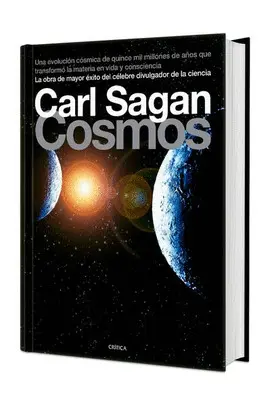
Cosmos

Cosmos

Carl Sagan

La obra de mayor éxito del célebre divulgador de la ciencia.Cosmos trata de la ciencia en su contexto humano más amplio y explica cómo la ciencia y la civilización se desarrollan conjuntamente. La obra aborda también el tema de las misiones espaciales destinadas a explorar los planetas más próximos a la Tierra, del origen de la vida, de la muerte del Sol, de...

Disponible

Q. 290

Como Funciona la Comida

Como Funciona la Comida

Smil, Vaclav

Un análisis claro y penetrante del frágil engranaje que sostiene nuestra alimentación y de los desafíos urgentes para transformarlo. «Uno de los pensadores más importantes del mundo sobre la teoría del desarrollo y un maestro del análisis estadístico». The Guardian «Vaclav Smil es mi autor favorito». Bill Gates Nunca hemos tenido que alimentar a tantas personas como en la actua...

Disponible

Q. 180

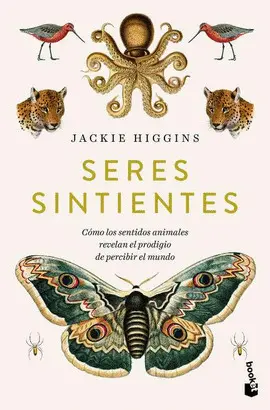
Seres Sintientes

Seres Sintientes

Jackie Higgins

Una audaz y maravillosa reflexión sobre cómo algunos animales sienten el entorno y cómo su percepción abre nuevas formas de apreciar lo que nos rodea.Richard Dawkins sugería que podemos ver el mundo de manera inusual para recuperar la sensación de estar en un mundo nuevo, y eso es lo que nos invita a hacer esta exploración de la herencia evolutiva de los sentidos. A través de t...

Disponible

Q. 180

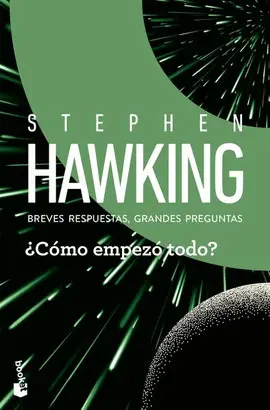
¿Cómo Empezó Todo?

¿Cómo Empezó Todo?

Stephen Hawking

Las grandes preguntas del universo respondidas brevemente por Stephen Hawking, una de las mentes más brillantes de nuestro tiempo.Breves respuestas a las grandes preguntas de Stephen Hawking: ¿Cómo empezó todo?, ¿Qué hay dentro de un agujero negro?, ¿Sobreviviremos en la Tierra?,¿Nos sobrepasará la inteligencia artificial? ¿Cómo empezó tod...

Disponible

Q. 80

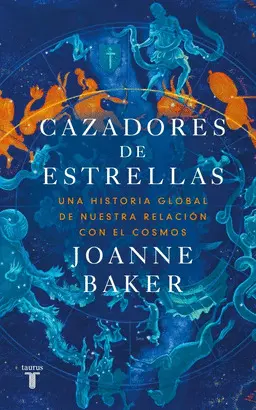
Cazadores de Estrellas

Cazadores de Estrellas

Baker, Joanne

¿Qué nos atrae del cielo nocturno?¿Por qué, desde los albores de la humanidad, hemos alzado la mirada hacia el firmamento en busca de sentido? En Cazadores de estrellas, la exastrofísica y escritora Joanne Baker propone una reveladora síntesis entre ciencia y cultura para trazar la historia global de nuestra relación con el cosmos. Desde la Vía Láctea hasta los confines del un...

Disponible

Q. 275

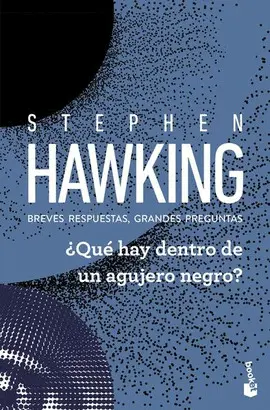
¿Qué Hay dentro de un Agujero Negro?

¿Qué Hay dentro de un Agujero Negro?

Hawking, Stephen

Las grandes preguntas del universo respondidas brevemente por Stephen Hawking, una de las mentes más brillantes de nuestro tiempo.Tras su éxito en el Reino Unido, llegan a España cuatro volúmenes que reúnen los capítulos esenciales del famoso libro Breves respuestas a las grandes preguntas de Stephen Hawking:¿Cómo empezó todo?, ¿Qué hay dentro de un agujero negro?, ¿Sobrevivire...

Disponible

Q. 80

Otros libros del autor

Breve Historia del Mundo

Breve Historia del Mundo

Baker, David

¿Cuándo empezó el discurrir del tiempo? ¿Qué hizo que apareciera la vida humana en la Tierra? ¿Y la vida en general? ¿Es cierto que estamos hechos de "polvo de estrellas"? ¿Todo esto tiene un final? Breve historia del mundo viene a dar respuesta a todas estas preguntas, pues aborda el cambio histórico en el cosmos, desde el Big Bang —pasando por la evolución de la vida y los ac...

No disponible

Q. 290