Saltar al contenido principal
The Origins Of Creativity

The Origins Of Creativity

Wilson, Edward / Edward O. Wilson

In this profound and lyrical book, one of our most celebrated biologists offers a sweeping examination of the relationship between the humanities and the sciences: what they offer to each other, how they can be united, and where they still fall short. Both endeavours, Edward O. Wilson reveals, have their roots in human creativity?the defining trait of our species.Reflecting on ...

Editorial:
Liveright Publishing Corp
Materia:
Ciencia - STEM
ISBN:
978-1-63149-318-8
Encuadernación:
OTROS
Q. 250
IVA incluido
No disponible
Añadir a favoritos Avisar disponibilidad

Sinopsis

In this profound and lyrical book, one of our most celebrated biologists offers a sweeping examination of the relationship between the humanities and the sciences: what they offer to each other, how they can be united, and where they still fall short. Both endeavours, Edward O. Wilson reveals, have their roots in human creativity?the defining trait of our species.

Reflecting on the deepest origins of language, storytelling, and art, Wilson demonstrates how creativity began not ten thousand years ago, as we have long assumed, but over one hundred thousand years ago in the Paleolithic age. Chronicling this evolution of creativity from primate ancestors to humans, The Origins of Creativity shows how the humanities, spurred on by the invention of language, have played a largely unexamined role in defining our species. And in doing so, Wilson explores what we can learn about human nature from a surprising range of creative endeavors?the instinct to create gardens, the use of metaphors and irony in speech, and the power of music and song.

Our achievements in science and the humanities, Wilson notes, make us uniquely advanced as a species, but also give us the potential to be supremely dangerous, most worryingly in our abuse of the planet. The humanities in particular suffer from a kind of anthropomorphism, encumbered by a belief that we are the only species among millions that seem to matter, yet Wilson optimistically reveals how researchers will have to address this parlous situation by pushing further into the realm of science, especially fields such as evolutionary biology, neuroscience, and anthropology.

With eloquence and humanity, Wilson calls for a transformational "Third Enlightenment," in which the blending of these endeavors will give us a deeper understanding of the human condition and our crucial relationship with the natural world.

Artículos relacionados

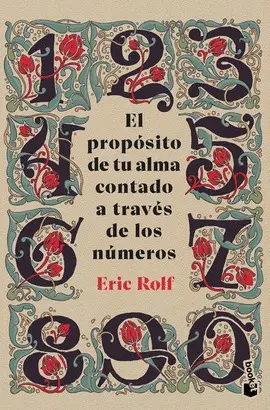
El Propósito de tu Alma Contado a Través de los Números

El Propósito de tu Alma Contado a Través de los Números

Eric Rolf

La numerología es una herramienta para comprender tus experiencias y darle sentido a tu vida.En este libro, Eric Rolf explora la relación entre la numerología y la comprensión del objetivo de vida, la creatividad y la autoexploración. Basándose en la fecha de nacimiento, ofrece información muy valiosa de lo que tu alma ha venido a realizar. Con cálculos sencillos, la numerologí...

Disponible

Q. 110

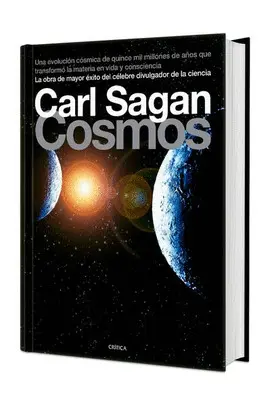
Cosmos

Cosmos

Carl Sagan

La obra de mayor éxito del célebre divulgador de la ciencia.Cosmos trata de la ciencia en su contexto humano más amplio y explica cómo la ciencia y la civilización se desarrollan conjuntamente. La obra aborda también el tema de las misiones espaciales destinadas a explorar los planetas más próximos a la Tierra, del origen de la vida, de la muerte del Sol, de...

Único ejemplar, sujeto
a consulta.

Q. 290

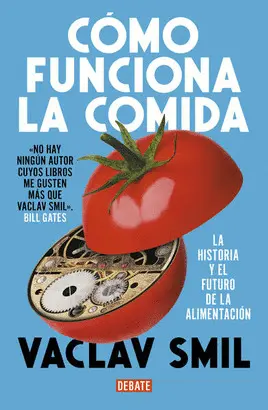
Como Funciona la Comida

Como Funciona la Comida

Smil, Vaclav

Un análisis claro y penetrante del frágil engranaje que sostiene nuestra alimentación y de los desafíos urgentes para transformarlo. «Uno de los pensadores más importantes del mundo sobre la teoría del desarrollo y un maestro del análisis estadístico». The Guardian «Vaclav Smil es mi autor favorito». Bill Gates Nunca hemos tenido que alimentar a tantas personas como en la actua...

Disponible

Q. 180

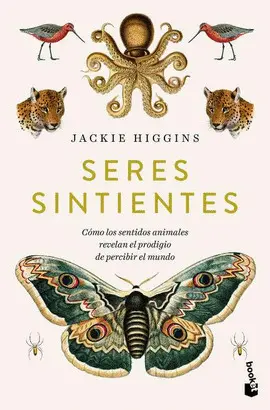
Seres Sintientes

Seres Sintientes

Jackie Higgins

Una audaz y maravillosa reflexión sobre cómo algunos animales sienten el entorno y cómo su percepción abre nuevas formas de apreciar lo que nos rodea.Richard Dawkins sugería que podemos ver el mundo de manera inusual para recuperar la sensación de estar en un mundo nuevo, y eso es lo que nos invita a hacer esta exploración de la herencia evolutiva de los sentidos. A través de t...

Único ejemplar, sujeto
a consulta.

Q. 180

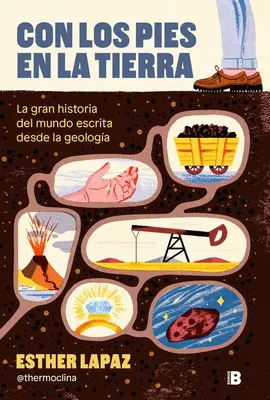
Con los Pies en la Tierra

Con los Pies en la Tierra

Lapaz (@Thermoclina), Esther

¿Y si la historia del mundo no se hubiera escrito solo con reyes, guerras y revoluciones? ¿Y si el clima y los recursos naturales hubieran sido decisivos en cada uno de sus giros? ¿Y si la geología fuera la gran protagonista invisible de nuestro pasado? Desde el primer chispazo que encendió el fuego en la prehistoria hasta la feroz competencia por las tierras raras que sostiene...

Disponible

Q. 260

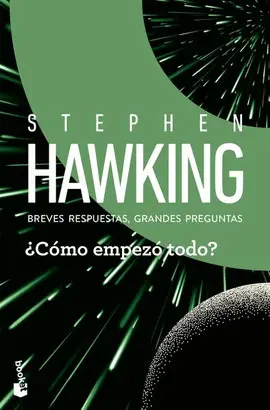
¿Cómo Empezó Todo?

¿Cómo Empezó Todo?

Stephen Hawking

Las grandes preguntas del universo respondidas brevemente por Stephen Hawking, una de las mentes más brillantes de nuestro tiempo.Breves respuestas a las grandes preguntas de Stephen Hawking: ¿Cómo empezó todo?, ¿Qué hay dentro de un agujero negro?, ¿Sobreviviremos en la Tierra?,¿Nos sobrepasará la inteligencia artificial? ¿Cómo empezó tod...

Disponible

Q. 80