Saltar al contenido principal
The Life And Death Of Planet Earth: How The New Science Of Astrobiology Charts T

The Life And Death Of Planet Earth: How The New Science Of Astrobiology Charts T

4How The New Science Of Astrobiology Charts The Ultimate Fate Of Our World

Donald Brownlee / Peter D. Ward / Brownlee, Don

"They deftly bring together findings from many disparate areas of science in a book that science buffs will find hard to put down." "Publishers Weekly" Science has worked hard to piece together the story of the evolution of our world up to this point, but only recently have we developed the understanding and the tools to describe the entire life cycle of our planet. Peter D. Wa...

Editorial:
Henry Holt
Año de edición:
2016
Materia:
Ciencia - STEM
ISBN:
978-0-8050-7512-0
Encuadernación:
OTROS
Q. 200
IVA incluido
No disponible
Añadir a favoritos Avisar disponibilidad

Sinopsis

"They deftly bring together findings from many disparate areas of science in a book that science buffs will find hard to put down." "Publishers Weekly" Science has worked hard to piece together the story of the evolution of our world up to this point, but only recently have we developed the understanding and the tools to describe the entire life cycle of our planet. Peter D. Ward and Donald Brownlee, a geologist and an astronomer respectively, are in the vanguard of the new field of astrobiology. Combining their knowledge of how the critical sustaining systems of our planet evolve through time with their understanding of how stars and solar systems grow and change throughout their own life cycles, the authors tell the story of the second half of Earth's life. In this masterful melding of groundbreaking research and captivating, eloquent science writing, Ward and Brownlee provide a comprehensive portrait of Earth's life cycle that allows us to understand and appreciate how the planet sustains itself today, and offers us a glimpse of our place in the cosmic order."

Artículos relacionados

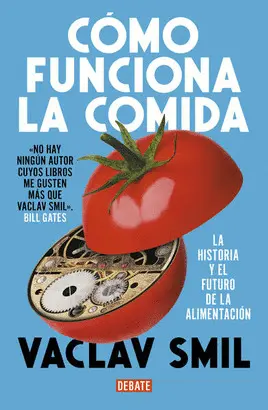
Como Funciona la Comida

Como Funciona la Comida

Smil, Vaclav

Un análisis claro y penetrante del frágil engranaje que sostiene nuestra alimentación y de los desafíos urgentes para transformarlo. «Uno de los pensadores más importantes del mundo sobre la teoría del desarrollo y un maestro del análisis estadístico». The Guardian «Vaclav Smil es mi autor favorito». Bill Gates Nunca hemos tenido que alimentar a tantas personas como en la actua...

Disponible

Q. 180

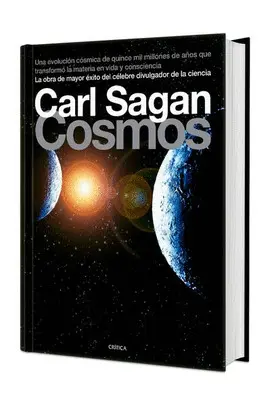
Cosmos

Cosmos

Carl Sagan

La obra de mayor éxito del célebre divulgador de la ciencia.Cosmos trata de la ciencia en su contexto humano más amplio y explica cómo la ciencia y la civilización se desarrollan conjuntamente. La obra aborda también el tema de las misiones espaciales destinadas a explorar los planetas más próximos a la Tierra, del origen de la vida, de la muerte del Sol, de...

Disponible

Q. 290

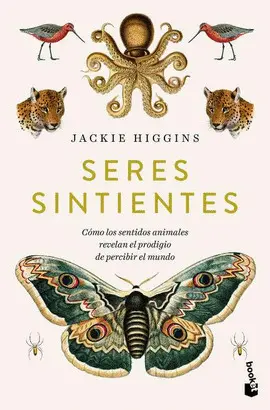
Seres Sintientes

Seres Sintientes

Jackie Higgins

Una audaz y maravillosa reflexión sobre cómo algunos animales sienten el entorno y cómo su percepción abre nuevas formas de apreciar lo que nos rodea.Richard Dawkins sugería que podemos ver el mundo de manera inusual para recuperar la sensación de estar en un mundo nuevo, y eso es lo que nos invita a hacer esta exploración de la herencia evolutiva de los sentidos. A través de t...

Disponible

Q. 180

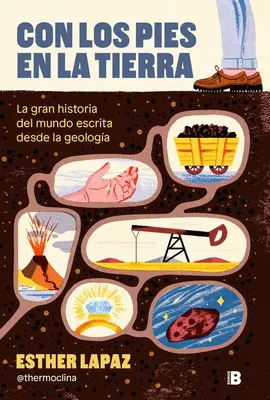
Con los Pies en la Tierra

Con los Pies en la Tierra

Lapaz (@Thermoclina), Esther

¿Y si la historia del mundo no se hubiera escrito solo con reyes, guerras y revoluciones? ¿Y si el clima y los recursos naturales hubieran sido decisivos en cada uno de sus giros? ¿Y si la geología fuera la gran protagonista invisible de nuestro pasado? Desde el primer chispazo que encendió el fuego en la prehistoria hasta la feroz competencia por las tierras raras que sostiene...

Disponible

Q. 260

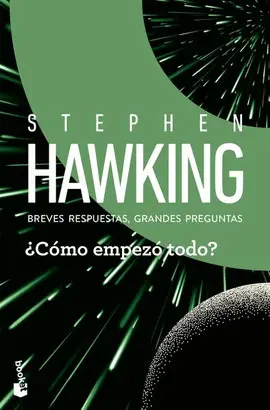
¿Cómo Empezó Todo?

¿Cómo Empezó Todo?

Stephen Hawking

Las grandes preguntas del universo respondidas brevemente por Stephen Hawking, una de las mentes más brillantes de nuestro tiempo.Breves respuestas a las grandes preguntas de Stephen Hawking: ¿Cómo empezó todo?, ¿Qué hay dentro de un agujero negro?, ¿Sobreviviremos en la Tierra?,¿Nos sobrepasará la inteligencia artificial? ¿Cómo empezó tod...

Disponible

Q. 80

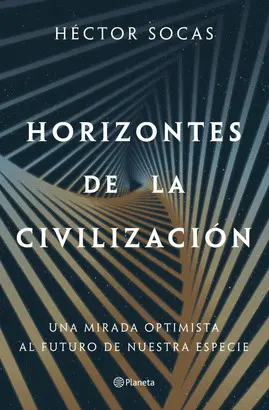
Horizontes de la Civilización

Horizontes de la Civilización

Socas, Héctor

En un mundo que parece obsesionado con el apocalipsis, este libro es un antídoto contra el pesimismo.Héctor Socas es un astrofísico reconocido especialmente por su empeño en humanizar y divulgar la ciencia. Desde la solvencia científica de quien se ha pasado la vida estudiando el universo y nuestro lugar en él, Horizontes de la civilización es una invitación a levantar la mirad...

Disponible

Q. 240