0
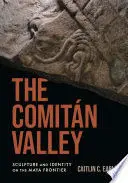
THE COMITÁN VALLEY
-20%

THE COMITÁN VALLEY

SCULPTURE AND IDENTITY ON THE MAYA FRONTIER

CAITLIN C. EARLEY

Q. 980
Q. 784
IVA incluido
Único ejemplar, sujeto
a disponibilidad
Editorial:
UNIVERSITY OF TEXAS PRESS
Año de edición:
2023
Materia:
Estudios mayas
ISBN:
978-1-4773-2712-8
Páginas:
312
Q. 980
Q. 784
IVA incluido
Único ejemplar, sujeto
a disponibilidad
Añadir a favoritos

"The Comitán Valley sits in what is now the state of Chiapas, Mexico, but a thousand years ago it was the western fringe of the Maya empire. The art in Comitán looks different from the art found in the nearest Maya capitals like Palenque and Yaxchilan, but also incorporates essential Maya techniques and ideas. For many years, those who bothered to study the art of Comitán, particularly the more than 100 large, carved stone sculptures, were confused, "as if local artists were somehow unable to grasp the tenets of Maya sculpture. This book suggests that those unusual artistic elements are not the result of the misunderstanding of Maya artistic canons--instead, they represent the active appropriation and manipulation of those canons. Artists in the Comitán Valley created sculptures with unique combinations of the widespread and the local, and those sculptures played a meaningful role in the creation of identity at each area center." This book looks at the stelae in the four major cities of ancient Comitán: Tenam Puente, Tenam Rosario, Chinkultic, and Quen Santo. Interestingly, the art was distinct at each place. At Tenam Puente, artists favored the depiction of warrior kings, bolstering the site's position as a local economic power. At Tenam Rosario, sculpture revolved around the Maya ballgame, while sculptors from Chinkultic prioritized representations of ritual. The monuments of Quen Santo depict ancestors and were placed deep inside caves beneath the city. "As a group, these sites showcase diverse approaches to the creation and display of sculpture, making this area an ideal place to study innovation in Maya art." It also supports the author's ideas about how sculpture helped create local identity. Many of these sculptures in this book, including some from each site, will be illustrated for the first time. Finally, the art in Comitán offers new ideas and support about the collapse of the Maya. Unlike other parts of the Maya world, in Comitán the collapse did not lead to a complete cessation of sculpture-making, and existing sculptures were sometimes reconceived rather than abandoned"-

Artículos relacionados

  • TREASURES OF THE AZTECS, INCA & OTHER MESOAMERICANS -20%
    TREASURES OF THE AZTECS, INCA & OTHER MESOAMERICANS
    ANDREW WHITFIELD / RICHARD MCCOLL
    Mesoamerica experienced a significant flourishing in the years beginning with Early Classic period, through to the Maya civilisation and culminating in the eventual fall of the Aztec civilisation in the 16th Century CE. Through these treasures of fine art and architecture we can uncover the mysteries of the myths, gods and religions of the time and appreciate the true cultural ...
    Disponible

    Q. 250Q. 200

  • MADRE TIERRA -20%
    MADRE TIERRA
    CRISÓSTOMO, LUIS JAVIER
    "La humanidad debe alfabetizarse en lectura y buena escucha acerca del lenguaje de la naturaleza puesto que es comu´n en la cultura de pueblos originarios escuchar dia´logos entre persona, entre personas y plantas y entre personaes y animales que viven en el entorno ...
    Único ejemplar, sujeto
    a disponibilidad

    Q. 135Q. 108

  • LAS MUJERES EN EL ARTE MAYA -20%
    LAS MUJERES EN EL ARTE MAYA
    MARÍA ELENA VEGA VILLALOBOS / LUIN, CAMILO ALEJANDRO
    La representaci´n femenina en la diversa obra plástica de Mesoamérica, tanto en monumentos públicos como en cerámica, artefactos voticos y códices, es conocida desde periodos tempranos. El análisis epig´rafico, el estudio iconog´rafico y la arqueología han identificado la figura femenina en las representaciones artísticas; las cláusulas nominales en los textos mayas permiten co...
    Disponible

    Q. 70Q. 56

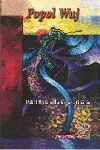
  • POPOL WUJ -20%
    POPOL WUJ
    RODRÍGUEZ GUAJÁN, PAKAL B ALAM (ADAPTADOR)
    Popol wuj, libro del Pueblo, Libro del Consejo. Es conocido como Popol wuj. La academia de las Lenguas Mayas de Guatemala, y de la Reforma Educativa, han hecho posible difundir el Popol wuj, como forma correcta. El popol Wuj es uno de los textos más importantes de la literatura maya. Incluye historias y mitología de la creación del mundo. Contiene un conjunto de conceptos, cree...
    Disponible

    Q. 65Q. 52

  • LOS MAYAS Y SU ASTRONOMIA -20%
    LOS MAYAS Y SU ASTRONOMIA
    POLO COSSICH, CARLOS
    1. Los mayas en Mesoamérica, contexto y períodos--2. Observaciones astronómicas de los mayas--3. Observaciones solares mayas--4. Arqueoastronomía maya--5. Crítica de las observaciones y orientaciones mayistas ...
    Único ejemplar, sujeto
    a disponibilidad

    Q. 280Q. 224

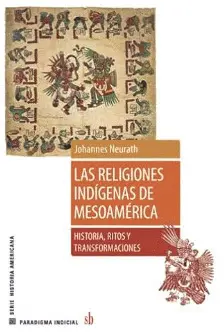
  • LAS RELIGIONES INDÍGENAS DE MESOAMÉRICA -20%
    LAS RELIGIONES INDÍGENAS DE MESOAMÉRICA
    NEURATH, JOHANNES
    Este libro ofrece una introducción general a las religiones de Mesoamérica. No persigue un fin enciclopedista, sino demostrar que, aun en la época de la hiperespecialización académica, los estudios mesoamericanos integrales no son imposibles. Un aporte fundamental de esta nueva propuesta es impulsar conceptos que no provienen de la teología y de la historia de las religiones, s...
    Disponible

    Q. 150Q. 120