Saltar al contenido principal
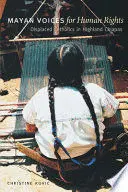
Mayan Voices For Human Rights

Mayan Voices For Human Rights

Displaced Catholics In Highland Chiapas

Christine Kovic

In the last decades of the twentieth century, thousands of Mayas were expelled, often violently, from their homes in San Juan Chamula and other highland communities in Chiapas, Mexico, by fellow Mayas allied with the ruling Institutional Revolutionary Party (PRI). State and federal authorities generally turned a blind eye to these human rights abuses, downplaying them as local ...

Editorial:
University Of Texas Press
Año de edición:
2005
Materia:
Estudios mayas
ISBN:
978-0-292-70640-8
Páginas:
238
Q. 330
IVA incluido
Único ejemplar, sujeto
a disponibilidad
Añadir a favoritos Avisar disponibilidad

Sinopsis

In the last decades of the twentieth century, thousands of Mayas were expelled, often violently, from their homes in San Juan Chamula and other highland communities in Chiapas, Mexico, by fellow Mayas allied with the ruling Institutional Revolutionary Party (PRI). State and federal authorities generally turned a blind eye to these human rights abuses, downplaying them as local conflicts over religious conversion and defense of cultural traditions. The expelled have organized themselves to fight not only for religious rights, but also for political and economic justice based on a broad understanding of human rights.

This pioneering ethnography tells the intertwined stories of the new communities formed by the Mayan exiles and their ongoing efforts to define and defend their human rights. Focusing on a community of Mayan Catholics, the book describes the process by which the progressive Diocese of San Cristóbal and Bishop Samuel Ruiz García became powerful allies for indigenous people in the promotion and defense of human rights. Drawing on the words and insights of displaced Mayas she interviewed throughout the 1990s, Christine Kovic reveals how the exiles have created new communities and lifeways based on a shared sense of faith (even between Catholics and Protestants) and their own concept of human rights and dignity. She also uncovers the underlying political and economic factors that drove the expulsions and shows how the Mayas who were expelled for not being "traditional" enough are in fact basing their new communities on traditional values of duty and reciprocity.

Artículos relacionados

Treasures Of The Aztecs, Inca & Other Mesoamericans

Treasures Of The Aztecs, Inca & Other Mesoamericans

Andrew Whitfield / Richard Mccoll

Mesoamerica experienced a significant flourishing in the years beginning with Early Classic period, through to the Maya civilisation and culminating in the eventual fall of the Aztec civilisation in the 16th Century CE. Through these treasures of fine art and architecture we can uncover the mysteries of the myths, gods and religions of the time and appreciate the true cultural ...

Disponible

Q. 250

Madre Tierra

Madre Tierra

Crisóstomo, Luis Javier

"La humanidad debe alfabetizarse en lectura y buena escucha acerca del lenguaje de la naturaleza puesto que es comu´n en la cultura de pueblos originarios escuchar dia´logos entre persona, entre personas y plantas y entre personaes y animales que viven en el entorno ...

Único ejemplar, sujeto
a disponibilidad

Q. 135

Un Palacio en la Ciudad de los Dioses, Teotihuacán

Un Palacio en la Ciudad de los Dioses, Teotihuacán

Laurette Sejourne

Teotihuacan sigue siendo noticia. No sólo por los descubrimientos que se hayan realizado en la Pirámide de la Luna, sino por el reto que representa a los investigadores de nuestro pasado. Un palacio en la ciudad de los dioses: Teotihuacan significa una nueva y profunda mirada sobre el sentido ético y estético que animó a esa ciudad. Además reconstruye su espacio simbólico y men...

Único ejemplar, sujeto
a disponibilidad

Q. 185

Los Mayas y Su Astronomia

Los Mayas y Su Astronomia

Polo Cossich, Carlos

1. Los mayas en Mesoamérica, contexto y períodos--2. Observaciones astronómicas de los mayas--3. Observaciones solares mayas--4. Arqueoastronomía maya--5. Crítica de las observaciones y orientaciones mayistas ...

Único ejemplar, sujeto
a disponibilidad

Q. 280

Popol Wuj

Popol Wuj

Rodríguez Guaján, Pakal B Alam (Adaptador)

Popol wuj, libro del Pueblo, Libro del Consejo. Es conocido como Popol wuj. La academia de las Lenguas Mayas de Guatemala, y de la Reforma Educativa, han hecho posible difundir el Popol wuj, como forma correcta. El popol Wuj es uno de los textos más importantes de la literatura maya. Incluye historias y mitología de la creación del mundo. Contiene un conjunto de conceptos, cree...

Disponible

Q. 55

Las Religiones Indígenas de Mesoamérica

Las Religiones Indígenas de Mesoamérica

Neurath, Johannes

Este libro ofrece una introducción general a las religiones de Mesoamérica. No persigue un fin enciclopedista, sino demostrar que, aun en la época de la hiperespecialización académica, los estudios mesoamericanos integrales no son imposibles. Un aporte fundamental de esta nueva propuesta es impulsar conceptos que no provienen de la teología y de la historia de las religiones, s...

Disponible

Q. 150