Saltar al contenido principal
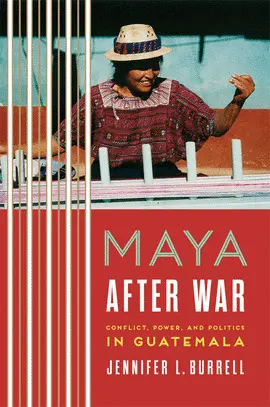
Maya After War
-15%

Maya After War

Conflict, Power, And Politics In Guatemala

Jennifer L. Burrell

Guatemala's thirty-six-year civil war culminated in peace accords in 1996, but the postwar transition has been marked by continued violence, including lynchings and the rise of gangs, as well as massive wage-labor exodus to the United States. For the Mam Maya municipality of Todos Santos Cuchumatán, inhabited by a predominantly indigenous peasant population, the aftermath of wa...

Editorial:
University Of Texas Press
Año de edición:
2013
Materia:
Estudios mayas
ISBN:
978-0-292-76201-5
Páginas:
235
Q. 285
Q. 242
IVA incluido
No disponible
Añadir a favoritos Avisar disponibilidad

Sinopsis

Guatemala's thirty-six-year civil war culminated in peace accords in 1996, but the postwar transition has been marked by continued violence, including lynchings and the rise of gangs, as well as massive wage-labor exodus to the United States. For the Mam Maya municipality of Todos Santos Cuchumatán, inhabited by a predominantly indigenous peasant population, the aftermath of war and genocide resonates with a long-standing tension between state techniques of governance and ancient community-level power structures that incorporated concepts of kinship, gender, and generation. Showing the ways in which these complex histories are interlinked with wartime and enduring family/class conflicts, Maya after War provides a nuanced account of a unique transitional postwar situation, including the complex influence of neoliberal intervention.

Drawing on ethnographic field research over a twenty-year period, Jennifer L. Burrell explores the after-war period in a locale where community struggles span culture, identity, and history. Investigating a range of tensions from the local to the international, Burrell employs unique methodologies, including mapmaking, history workshops, and an informal translation of a historic ethnography, to analyze the role of conflict in animating what matters to Todosanteros in their everyday lives and how the residents negotiate power. Examining the community-based divisions alongside national postwar contexts, Maya after War considers the aura of hope that surrounded the signing of the peace accords, and the subsequent doubt and waiting that have fueled unrest, encompassing generational conflicts. This study is a rich analysis of the multifaceted forces at work in the quest for peace, in Guatemala and beyond.

Artículos relacionados

Treasures Of The Aztecs, Inca & Other Mesoamericans -15%

Treasures Of The Aztecs, Inca & Other Mesoamericans

Andrew Whitfield / Richard Mccoll

Mesoamerica experienced a significant flourishing in the years beginning with Early Classic period, through to the Maya civilisation and culminating in the eventual fall of the Aztec civilisation in the 16th Century CE. Through these treasures of fine art and architecture we can uncover the mysteries of the myths, gods and religions of the time and appreciate the true cultural ...

Disponible
Q. 250

Q. 213

El Códice Mendoza -15%

El Códice Mendoza

Baltazar Brito Guadarrama

Aproximación histórica del Códice Mendocino a partir de la historia de su materialidad, sus ediciones y los diferentes estudios que se han hecho sobre el documento, así como una descripción detallada de cada uno de los folios que lo conforman. La obra incluye un análisis de las láminas dedicadas a la importancia política, histórica y militar que tuvo el hueyaltépetl mexica y de...

Único ejemplar, sujeto
a disponibilidad
Q. 140

Q. 119

Madre Tierra -15%

Madre Tierra

Crisóstomo, Luis Javier

"La humanidad debe alfabetizarse en lectura y buena escucha acerca del lenguaje de la naturaleza puesto que es comu´n en la cultura de pueblos originarios escuchar dia´logos entre persona, entre personas y plantas y entre personaes y animales que viven en el entorno ...

Único ejemplar, sujeto
a disponibilidad
Q. 135

Q. 115

Un Palacio en la Ciudad de los Dioses, Teotihuacán -15%

Un Palacio en la Ciudad de los Dioses, Teotihuacán

Laurette Sejourne

Teotihuacan sigue siendo noticia. No sólo por los descubrimientos que se hayan realizado en la Pirámide de la Luna, sino por el reto que representa a los investigadores de nuestro pasado. Un palacio en la ciudad de los dioses: Teotihuacan significa una nueva y profunda mirada sobre el sentido ético y estético que animó a esa ciudad. Además reconstruye su espacio simbólico y men...

Disponible
Q. 185

Q. 157

Las Mujeres en el Arte Maya -15%

Las Mujeres en el Arte Maya

María Elena Vega Villalobos / Luin, Camilo Alejandro

La representaci´n femenina en la diversa obra plástica de Mesoamérica, tanto en monumentos públicos como en cerámica, artefactos voticos y códices, es conocida desde periodos tempranos. El análisis epig´rafico, el estudio iconog´rafico y la arqueología han identificado la figura femenina en las representaciones artísticas; las cláusulas nominales en los textos mayas permiten co...

Único ejemplar, sujeto
a disponibilidad
Q. 70

Q. 60

The Comitán Valley -15%

The Comitán Valley

Caitlin C. Earley

"The Comitán Valley sits in what is now the state of Chiapas, Mexico, but a thousand years ago it was the western fringe of the Maya empire. The art in Comitán looks different from the art found in the nearest Maya capitals like Palenque and Yaxchilan, but also incorporates essential Maya techniques and ideas. For many years, those who bothered to study the art of Comitán, part...

Único ejemplar, sujeto
a disponibilidad
Q. 980

Q. 833