Saltar al contenido principal
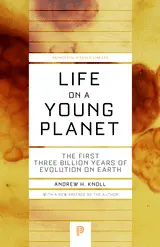
Life Of a Young Planet

Life Of a Young Planet

Andrew H. Knoll

Australopithecines, dinosaurs, trilobites--such fossils conjure up images of lost worlds filled with vanished organisms. But in the full history of life, ancient animals, even the trilobites, form only the half-billion-year tip of a nearly four-billion-year iceberg. Andrew Knoll explores the deep history of life from its origins on a young planet to the incredible Cambrian expl...

Editorial:
Princeton
Año de edición:
2015
Materia:
Ciencia - STEM
ISBN:
978-0-691-16553-0
Páginas:
304
Encuadernación:
OTROS
Colección:
PRINCETON CLASSICS
Q. 200
IVA incluido
No disponible
Añadir a favoritos Avisar disponibilidad

Sinopsis

Australopithecines, dinosaurs, trilobites--such fossils conjure up images of lost worlds filled with vanished organisms. But in the full history of life, ancient animals, even the trilobites, form only the half-billion-year tip of a nearly four-billion-year iceberg. Andrew Knoll explores the deep history of life from its origins on a young planet to the incredible Cambrian explosion, presenting a compelling new explanation for the emergence of biological novelty.


The very latest discoveries in paleontology--many of them made by the author and his students--are integrated with emerging insights from molecular biology and earth system science to forge a broad understanding of how the biological diversity that surrounds us came to be. Moving from Siberia to Namibia to the Bahamas, Knoll shows how life and environment have evolved together through Earth's history. Innovations in biology have helped shape our air and oceans, and, just as surely, environmental change has influenced the course of evolution, repeatedly closing off opportunities for some species while opening avenues for others.


Readers go into the field to confront fossils, enter the lab to discern the inner workings of cells, and alight on Mars to ask how our terrestrial experience can guide exploration for life beyond our planet. Along the way, Knoll brings us up-to-date on some of science's hottest questions, from the oldest fossils and claims of life beyond the Earth to the hypothesis of global glaciation and Knoll's own unifying concept of ''permissive ecology.''


In laying bare Earth's deepest biological roots, Life on a Young Planet helps us understand our own place in the universe--and our responsibility as stewards of a world four billion years in the making.


In a new preface, Knoll describes how the field has broadened and deepened in the decade since the book's original publication.

Artículos relacionados

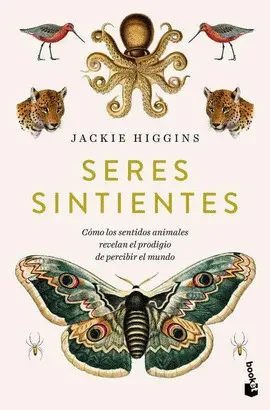
Seres Sintientes

Seres Sintientes

Jackie Higgins

Una audaz y maravillosa reflexión sobre cómo algunos animales sienten el entorno y cómo su percepción abre nuevas formas de apreciar lo que nos rodea.Richard Dawkins sugería que podemos ver el mundo de manera inusual para recuperar la sensación de estar en un mundo nuevo, y eso es lo que nos invita a hacer esta exploración de la herencia evolutiva de los sentidos. A través de t...

Disponible

Q. 180

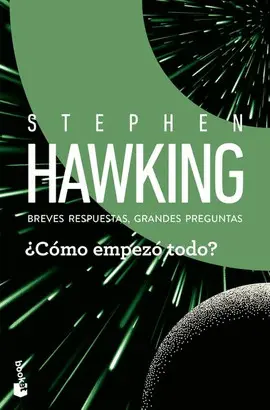
¿Cómo Empezó Todo?

¿Cómo Empezó Todo?

Stephen Hawking

Las grandes preguntas del universo respondidas brevemente por Stephen Hawking, una de las mentes más brillantes de nuestro tiempo.Breves respuestas a las grandes preguntas de Stephen Hawking: ¿Cómo empezó todo?, ¿Qué hay dentro de un agujero negro?, ¿Sobreviviremos en la Tierra?,¿Nos sobrepasará la inteligencia artificial? ¿Cómo empezó tod...

Disponible

Q. 80

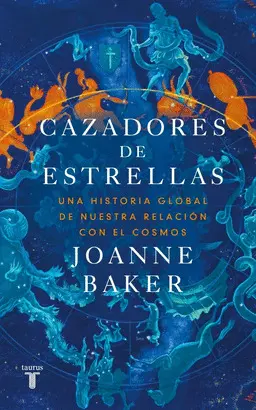
Cazadores de Estrellas

Cazadores de Estrellas

Baker, Joanne

¿Qué nos atrae del cielo nocturno?¿Por qué, desde los albores de la humanidad, hemos alzado la mirada hacia el firmamento en busca de sentido? En Cazadores de estrellas, la exastrofísica y escritora Joanne Baker propone una reveladora síntesis entre ciencia y cultura para trazar la historia global de nuestra relación con el cosmos. Desde la Vía Láctea hasta los confines del un...

Disponible

Q. 275

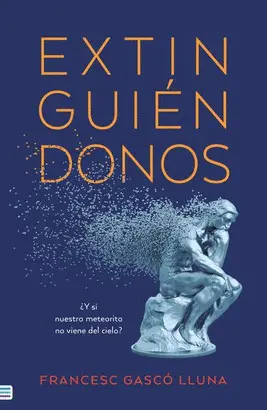
Extinguiéndonos

Extinguiéndonos

Gasco Lluna, Francesc

Una reflexión sobre las raíces del malestar político, social y climático de nuestro tiempo, y por qué reconocer nuestra responsabilidad colectiva es el primer paso para cambiar el futuro de nuestra sociedad. ¿Qué le está pasando al mundo? Durante décadas se nos prometió un futuro mejor. Se nos animó a estudiar, a formarnos, a cooperar, a respetar al prójimo y a confiar en el co...

Disponible

Q. 170

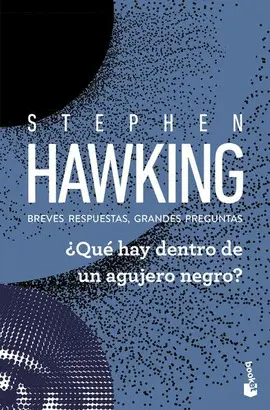
¿Qué Hay dentro de un Agujero Negro?

¿Qué Hay dentro de un Agujero Negro?

Hawking, Stephen

Las grandes preguntas del universo respondidas brevemente por Stephen Hawking, una de las mentes más brillantes de nuestro tiempo.Tras su éxito en el Reino Unido, llegan a España cuatro volúmenes que reúnen los capítulos esenciales del famoso libro Breves respuestas a las grandes preguntas de Stephen Hawking:¿Cómo empezó todo?, ¿Qué hay dentro de un agujero negro?, ¿Sobrevivire...

Disponible

Q. 80

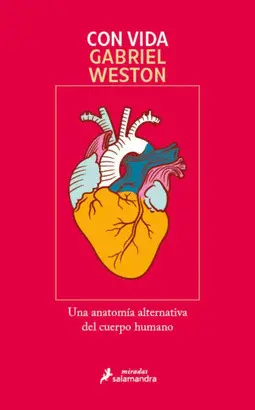
Con Vida

Con Vida

Weston, Gabriel

El cuerpo como nunca te lo habían contado: un viaje apasionante alrededor de nuestra anatomía «Una escritora extraordinaria. [...] Un libro de una fuerza arrebatadora. Sus descripciones hacen que el cuerpo humano cobre auténtica vida.»The Spectator Durante años, la cirujana y escritora Gabriel Weston sintió que algo esencial faltaba en la anatomía que aprendió en la facultad: u...

Disponible

Q. 255

Otros libros del autor

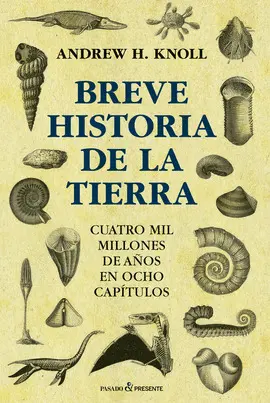
Breve Historia de la Tierra

Breve Historia de la Tierra

Andrew H. Knoll

Una pequeña maravilla de la divulgación científica: una breve y apasionante biografía de nuestro hogar en el universo, desde su creación hasta la aparición del hombre.Knoll es uno de los científicos más galardonados y reconocidos del mundo y ha sido miembro del equipo de investigación creado por la NASA para la exploración de Marte. Es, sin duda, el mejor conocedor de la histor...

No disponible

Q. 290