Saltar al contenido principal
Intuitive Probability And Random Processes Using Matlab

Intuitive Probability And Random Processes Using Matlab

Steven M. Kay

Featuring MATLAB examples to provide motivation for the theory to come, this introductory text incorporates MATLAB code to allow students to understand how the theory is applied in practice. Numerous computer exercises familiarize the student with MATLAB and how it is used to solve real problems. "Real-world" problems from various disciplines are emphasized in each chapter to i...

Editorial:
Springer Verlag
Materia:
Ciencia - STEM
ISBN:
978-0-387-24157-9
Q. 1.125
IVA incluido
No disponible
Añadir a favoritos Avisar disponibilidad

Sinopsis

Featuring MATLAB examples to provide motivation for the theory to come, this introductory text incorporates MATLAB code to allow students to understand how the theory is applied in practice. Numerous computer exercises familiarize the student with MATLAB and how it is used to solve real problems. "Real-world" problems from various disciplines are emphasized in each chapter to illlustrate the application of the concepts. Beginning with discrete random variables, readers then encounter continuous random variables, thus minimizing confusion.

Springer Publishing: Intuitive Probability and Random Processes using MATLAB® is an introduction to probability and random processes that merges theory with practice. Based on the author's belief that only "hands-on" experience with the material can promote intuitive understanding, the approach is to motivate the need for theory using MATLAB examples, followed by theory and analysis, and finally descriptions of "real-world" examples to acquaint the reader with a wide variety of applications. The latter is intended to answer the usual question "Why do we have to study this?" Other salient features are:*heavy reliance on computer simulation for illustration and student exercises *the incorporation of MATLAB programs and code segments *discussion of discrete random variables followed by continuous random variables to minimize confusion *summary sections at the beginning of each chapter *in-line equation explanations *warnings on common errors and pitfalls *over 750 problems designed to help the reader assimilate and extend the concepts Intuitive Probability and Random Processes using MATLAB® is intended for undergraduate and first-year graduate students in engineering. The practicing engineer as well as others having the appropriate mathematical background will also benefit from this book. About the AuthorSteven M. Kay is a Professor of Electrical Engineering at the University of Rhode Island and a leading expert in signal processing. He has received the Education Award "for outstanding contributions in education and in writing scholarly books and texts..." from the IEEE Signal Processing society and has been listed as among the 250 most cited researchers in the world in engineering.

Artículos relacionados

Como Funciona la Comida

Como Funciona la Comida

Smil, Vaclav

Un análisis claro y penetrante del frágil engranaje que sostiene nuestra alimentación y de los desafíos urgentes para transformarlo. «Uno de los pensadores más importantes del mundo sobre la teoría del desarrollo y un maestro del análisis estadístico». The Guardian «Vaclav Smil es mi autor favorito». Bill Gates Nunca hemos tenido que alimentar a tantas personas como en la actua...

Disponible

Q. 180

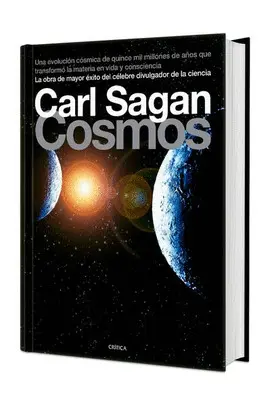
Cosmos

Cosmos

Carl Sagan

La obra de mayor éxito del célebre divulgador de la ciencia.Cosmos trata de la ciencia en su contexto humano más amplio y explica cómo la ciencia y la civilización se desarrollan conjuntamente. La obra aborda también el tema de las misiones espaciales destinadas a explorar los planetas más próximos a la Tierra, del origen de la vida, de la muerte del Sol, de...

Único ejemplar, sujeto
a consulta.

Q. 290

Seres Sintientes

Seres Sintientes

Jackie Higgins

Una audaz y maravillosa reflexión sobre cómo algunos animales sienten el entorno y cómo su percepción abre nuevas formas de apreciar lo que nos rodea.Richard Dawkins sugería que podemos ver el mundo de manera inusual para recuperar la sensación de estar en un mundo nuevo, y eso es lo que nos invita a hacer esta exploración de la herencia evolutiva de los sentidos. A través de t...

Disponible

Q. 180

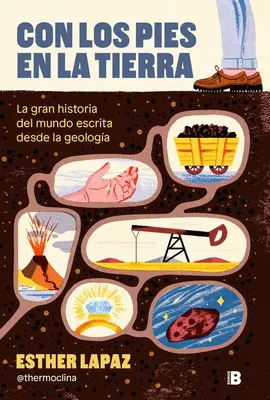
Con los Pies en la Tierra

Con los Pies en la Tierra

Lapaz (@Thermoclina), Esther

¿Y si la historia del mundo no se hubiera escrito solo con reyes, guerras y revoluciones? ¿Y si el clima y los recursos naturales hubieran sido decisivos en cada uno de sus giros? ¿Y si la geología fuera la gran protagonista invisible de nuestro pasado? Desde el primer chispazo que encendió el fuego en la prehistoria hasta la feroz competencia por las tierras raras que sostiene...

Disponible

Q. 260

Astrofísica para Gente con Prisas

Astrofísica para Gente con Prisas

Tyson, Neil Degrasse

LLÉVATE LOS GRANDES ÉXITOS DEL PENSAMIENTO DONDE TÚ QUIERASHoy en día son pocos los que cuentan con el tiempo necesario para detenerse y contemplar el cosmos. En Astrofísica para gente con prisa, Neil deGrasse Tyson condensa las grandes preguntas del cosmos en breves capítulos tan claros como adictivos. Del big bang a los agujeros negros, de los quarks a la mecánica cuántica, y...

Disponible

Q. 205

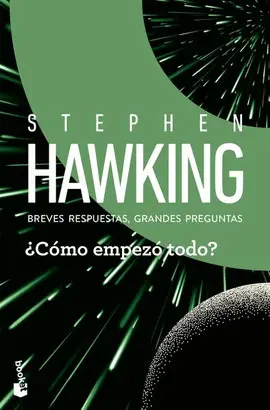
¿Cómo Empezó Todo?

¿Cómo Empezó Todo?

Stephen Hawking

Las grandes preguntas del universo respondidas brevemente por Stephen Hawking, una de las mentes más brillantes de nuestro tiempo.Breves respuestas a las grandes preguntas de Stephen Hawking: ¿Cómo empezó todo?, ¿Qué hay dentro de un agujero negro?, ¿Sobreviviremos en la Tierra?,¿Nos sobrepasará la inteligencia artificial? ¿Cómo empezó tod...

Disponible

Q. 80