Saltar al contenido principal
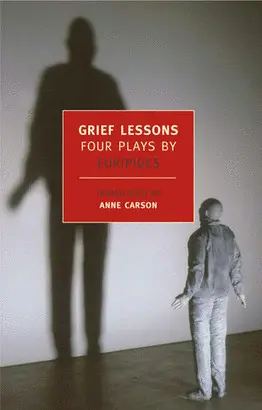
Grief Lessons: Four Plays By Euripides

Grief Lessons: Four Plays By Euripides

Euripides / Anne Carson

Now in paperback.Euripides, the last of the three great tragedians of ancient Athens, reached the height of his renown during the disastrous Peloponnesian War, when democratic Athens was brought down by its own outsized ambitions. "Euripides," the classicist Bernard Knox has written, "was born never to live in peace with himself and to prevent the rest of mankind from doing so....

Editorial:
Everyman's Library
ISBN:
978-1-59017-253-7
Q. 190
IVA incluido
No disponible
Añadir a favoritos Avisar disponibilidad

Sinopsis

Now in paperback.
Euripides, the last of the three great tragedians of ancient Athens, reached the height of his renown during the disastrous Peloponnesian War, when democratic Athens was brought down by its own outsized ambitions. "Euripides," the classicist Bernard Knox has written, "was born never to live in peace with himself and to prevent the rest of mankind from doing so." His plays were shockers: he unmasked heroes, revealing them as foolish and savage, and he wrote about the powerless-women and children, slaves and barbarians-for whom tragedy was not so much exceptional as unending. Euripides' plays rarely won first prize in the great democratic competitions of ancient Athens, but their combustible mixture of realism and extremism fascinated audiences throughout the Greek world. In the last days of the Peloponnesian War, Athenian prisoners held captive in far-off Sicily were said to have won their freedom by reciting snatches of Euripides' latest tragedies.
Four of those tragedies are presented here in new translations by the contemporary poet and classicist Anne Carson. They are Herakles, in which the hero swaggers home to destroy his own family; Hekabe, set after the Trojan War, in which Hektor's widow takes vengeance on her Greek captors; Hippolytos, about love and the horror of love; and the strange tragic-comedy fable Alkestis, which tells of a husband who arranges for his wife to die in his place. The volume also contains brief introductions by Carson to each of the plays along with two remarkable framing essays: "Tragedy: A Curious Art Form" and "Why I Wrote Two Plays About Phaidra."

Artículos relacionados

Pygmalion

Pygmalion

Shaw , George Bernard

When professor of phonetics Henry Higgins wagers with Colonel Pickering that he could teach even a gutter-mouthed flower seller how to speak like a duchess, little does he expect that his social experiment will be riddled with difficulties, and that behind her cockney parlance the girl in question, Eliza Doolittle, has a mind, ideas and aspirations of her own. Things come to a ...

Único ejemplar, sujeto
a consulta.

Q. 100

The Plays

The Plays

Chekhov, Anton

The most widely staged dramatist after Shakespeare, Chekhov left a deep mark both on the development of Russian literature and world theatre, with plays that were remarkable not just for their dialogue but their atmosphere and the tensions expressed between the lines.Collected in this volume are Chekhov's four most celebrated plays - The Seagull, Uncle Vanya, Three Sisters and ...

Disponible

Q. 110

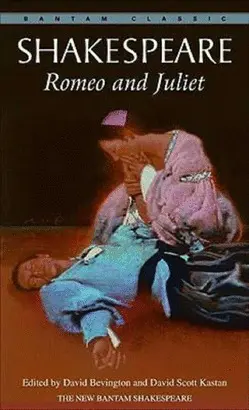
Romeo And Juliet

Romeo And Juliet

Shakespeare, William

The magnificent, timeless drama is the world's most famous tale of "star-crossed lovers." The young, unshakable love of Juliet and Romeo defies the feud that divides their families—the Capulets and Montagues—as their desperate need to be together, their secret meetings, and finally their concealed marriage drive them toward tragedy. A masterwork that has long captured the heart...

Disponible

Q. 70

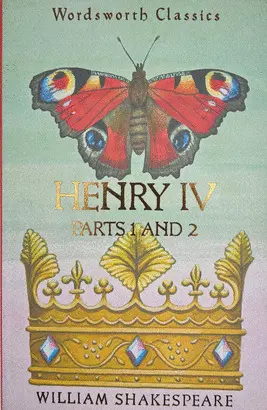
Henry Iv Parts 1 & 2

Henry Iv Parts 1 & 2

Shakespeare, William

In Henry IV, Part 1, the King is in a doubly ironic position. His rebellion against Richard II was successful, but now he himself is beset by rebels, led by the charismatic Harry Hotspur. The King's son, Prince Hal, seems to be more concerned with the pleasures of the tavern world and the company of the fat rogue, Falstaff, than with concerns of state. Eventually, however, Hal ...

Disponible

Q. 70

Julius Caesar (No Fear Shakespeare)

Julius Caesar (No Fear Shakespeare)

Shakespeare, William

Rome, 44BC, the great general Julius Caesar arrives home from war as the sole ruler of Rome. The citizens cheer the conquering hero, but not all are pleased to see him return. Many fear that with nobody to oppose him, this military genius will become a cruel dictator. A conspiracy takes shape that ensnares the noble Brutus, one of Caesar's most trusted allies, in an assassinati...

Disponible

Q. 70

As You Like It

As You Like It

Shakespeare, William

As You Like It is one of Shakespeare's finest romantic comedies, variously lyrical, melancholy, satiric, comic and absurd. Its boldly implausible plot generates a profusion of love-lorn men, a resourceful heroine in disguise, sexual ambiguity, sceptical philosophising, and finally a multiplicity of marriages. The ironic medley of pastoral artifice, romantic ardour and quizzical...

Disponible

Q. 70

Otros libros del autor

Las Troyanas

Las Troyanas

Euripides

Considerado generalmente el más innovador de los tres grandes dramaturgos clásicos griegos, Eurípides (480-406 a.C.) se distinguió por plantear en sus obras los conflictos morales más permanentes de la condición humana. La experiencia de la guerra del Peloponeso, de la que fue testigo en el postrer tramo de su existencia, le movió, como bien testimonia Las Troyanas, a tomar una...

Disponible

Q. 140

Ifigenia en Áulide. Electra. Orestes

Ifigenia en Áulide. Electra. Orestes

Euripides

Encuadradas dentro de lo que se denomina " ciclo troyano " esto es, el que tiene que ver con todos aquellos acontecimientos vinculados a la Guerra de Troya y los que en ella participan, las tres piezas del teatro de Eurípides (484-406 a.C.) que recoge este volumen tienen como protagonistas a los hijos de los reyes Agamenón y Clitemestra. Si en " Ifigenia en Áulide " el nudo...

Disponible

Q. 160

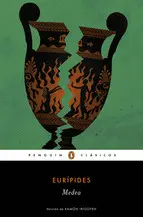
Medea

Medea

Euripides

La más importante de las obras de Eurípides y uno de los trabajos que mejor representan su concepción de lo trágico, muy distinta a la de Sófocles y EsquiloJasón no solo regresó de la Cólquide con el vellocino de oro, sino que también sedujo a la hija del rey Eetes, Medea. A su vuelta a Yolco, hallan un escenario de traición familiar del que huyen dejando un rastro carmesí. Cua...

Único ejemplar, sujeto
a consulta.

Q. 155

Ciclope

Ciclope

Euripides

Pieza singular, Ciclope es el único drama de sátiros de la anti­gua literatura griega que se ha conservado completo. Se trata de un género teatral "intermedio", por así decirlo, ya que hay en él algo de la tragedia y algo de la comedia. Suele to­mar mitos y pasajes de la epopeya (como la tragedia) para tratarlos de manera grotesca (como la comedia) mediante la presencia constan...

Disponible

Q. 210

Bakkhai

Bakkhai

Euripides

Eurípides fue un dramaturgo del siglo V A.C. que reinventó la tragedia griega, poniéndola en un camino que conduce directamente a los reality shows. Sus obras rompieron todas las reglas, derrocaron las convenciones e indignaron a los críticos conservadores. Las Bacantes es su obra más subversiva: cuenta la historia de un hombre que no puede admitir que preferiría vivir en la pi...

Único ejemplar, sujeto
a consulta.

Q. 170

Las Mejores Tragedias de Eurípides

Las Mejores Tragedias de Eurípides

Euripides

Si buscas un excelente libro que te haga recorrer un carrusel de emociones desde la primera página, esta obra maestra es tu próxima lectura obligada. Con un estilo que mezcla lo trágico con lo intensamente humano, Eurípides te ofrece una oportunidad para explorar las profundidades de los sentimientos terrenales con un toque de la sabiduría griega que sigue siendo sorprendenteme...

Disponible

Q. 200