0
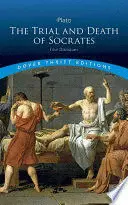
THE TRIAL AND DEATH OF SOCRATES

THE TRIAL AND DEATH OF SOCRATES

FOUR DIALOGUES

Plató

Q. 40
IVA incluido
No disponible
Editorial:
DOVER
Año de edición:
1992
Materia:
Filosofía
ISBN:
978-0-486-27066-1
Páginas:
115
Q. 40
IVA incluido
No disponible
Añadir a favoritos

u003cpu003eu003ciu003eThe Dialoguesu003c/iu003e of Plato (427-347 B.C.) rank with the writings of Aristotle as the most important and influential philosophical works in Western thought. In them Plato cast his teacher Socrates as the central disputant in colloquies that brilliantly probe a vast spectrum of philosophical ideas and issues. None is more exciting and revelatory than the four dialogues — u003ciu003eEuthyphro, Apology, Crito,u003c/iu003e and u003ciu003ePhaedou003c/iu003e — on themes evoked by the trial and death of Socrates, accused by his enemies and detractors of crimes against the state, among them "impiety" and "corruption of the young."u003cbru003e In u003ciu003eEuthyphrou003c/iu003e, Socrates explores the concepts and aims of piety and religion: in u003ciu003eApologyu003c/iu003e, he courageously defends the integrity of his teachings; in u003ciu003eCritou003c/iu003e, he demonstrates his respect for the law in his refusal to flee his death sentence; and in u003ciu003ePhaedou003c/iu003e embraces death and discusses the immortality of the soul. The four dialogues are presented here in the authoritative translation by the distinguished classical scholar Benjamin Jowett, renowned for his translations of Plato.u003c/pu003e

Artículos relacionados

  • WITTGENSTEIN
    WITTGENSTEIN
    JOHN HEATON
    Ludwig Wittgenstein ha conquistado la imaginación popular como el Sócrates moderno, el fascinante maestro del razonamiento enigmático quien, con su fría lógica, convenció a Bertrand Russell de que había un hipopótamo en la habitación. Es un icono del modernismo, pero ¿qué es lo que dijo realmente? En Wittgenstein, una guía ilustrada, nos encontramos con un hombre extraño, un ló...
    Disponible

    Q. 210

  • LÓGICA
    LÓGICA
    CRYAN, DAN / SHATIL, SHARRON
    La lógica es la columna vertebral de la civilización occidental, lo que sostiene nuestros sistemas de filosofía, ciencia y legislación. La lógica también se encuentra en nuestra vida cotidiana, desde los idiomas que hablamos hasta las operaciones más básicas de nuestros teléfonos móviles. Nos puede incluso informar sobre cómo está diseñada una telenovela. Lógica, una guía ilust...
    Disponible

    Q. 210

  • PROFANACIONES
    PROFANACIONES
    AGAMBEN, GIORGIO
    Una síntesis deslumbrante del pensamiento de Agamben. ¿Qué es el genio?, ¿cómo funciona el mecanismo de la parodia?, ¿qué lugar ocupa hoy, en una sociedad que creemos del todo despojada de ritos, el acto de la profanación? Estas son algunas de las preguntas que aborda Agamben en las diez prosas breves que componen este libro; una muestra, en su expresión más depurada, de la ene...
    Disponible

    Q. 140

  • EL ARRAIGO
    EL ARRAIGO
    WEIL, SIMONE
    "Simone Weil es, ahora lo sé, el único gran espíritu de nuestro tiempo. Uno de los libros más lúcidos, más elevados, más hermosos, que se han escrito sobre nuestra civilización". Albert CamusEntre 1942 y 1943, Simone Weil colabora con la resistencia francesa en un empeño que habría de reconstruir Europa desde sus ruinas filosóficas y morales: la redacción de una nueva Declara...
    Disponible

    Q. 195

  • LA RAZÓN EN LA SOMBRA
    LA RAZÓN EN LA SOMBRA
    ZAMBRANO, MARÍA
    «Hay que dormirse arriba en la luz. Hay que estar despierto abajo en la oscuridad intraterrestre, intracorporal de los diversos cuerpos que el hombre terrestre habita: el de la tierra, el del universo, el suyo propio. Allá en "los profundos", en los inferos el corazón vela, se desvela, se reenciende en sí mismo. Arriba en la luz, el corazón se abandona, se entrega. Se recoge. S...
    Disponible

    Q. 380

  • EL PASADO
    EL PASADO
    BONAZZI, MAURO
    «Nadie es una hoja en blanco»: cómo instaurar un diálogo crítico con nuestra historia.En un mundo caracterizado por la aceleración constante y el culto al presente, este libro examina nuestra problemática relación con el pasado, atrapada entre dos extremos igualmente distorsionadores: la "cultura de la cancelación", que juzga implacablemente la historia desde valores actuales, ...
    Disponible

    Q. 150

Otros libros del autor

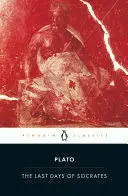
  • THE LAST DAYS OF SOCRATES
    THE LAST DAYS OF SOCRATES
    PLATO
    The trial and death of Socrates (469-399 BCE) have almost as central a place in Western consciousness as the trial and death of Jesus. In four superb dialogues, Plato provides the classic account. Euthyphro finds Socrates outside the court-house, debating the nature of piety, while the Apology is his robust rebuttal of the charges of impiety and a defence of the philosopher's l...
    Único ejemplar, sujeto
    a disponibilidad

    Q. 150

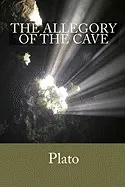
  • THE ALLEGORY OF THE CAVE
    THE ALLEGORY OF THE CAVE
    PLATO
    No disponible

    Q. 95

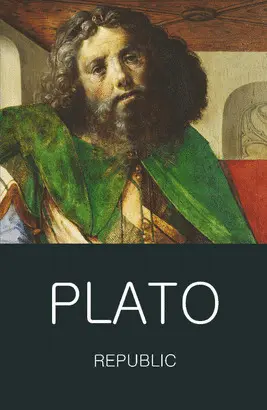
  • REPUBLIC
    REPUBLIC
    PLATO
    The ideas of Plato (c429-347BC) have influenced Western philosophers for over two thousand years. Such is his importance that the twentieth-century philosopher A.N. Whitehead described all subsequent developments within the subject as foot-notes to Plato's work. Beyond philosophy, he has exerted a major influence on the development of Western literature, politics and theology.T...
    No disponible

    Q. 80