Saltar al contenido principal
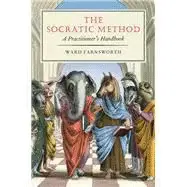
The Socratic Method

The Socratic Method

A Practitioner's Handbook

Ward Farnsworth

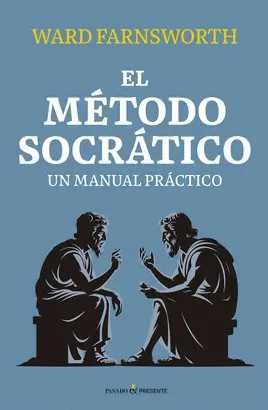
A thinking person's guide to a better life. Ward Farnsworth explains what the Socratic method is, how it works, and why it matters more than ever in our time. Easy to grasp yet challenging to master, the method will change the way you think about life's big questions.About 2,500 years ago, Plato wrote a set of dialogues that depict Socrates in conversation. The way Socrates ask...

Editorial:
Farnsworth, Ward
Año de edición:
2021
ISBN:
978-1-56792-685-9
Páginas:
243
Q. 300
IVA incluido
Disponible
Añadir a favoritos

Sinopsis

A thinking person's guide to a better life. Ward Farnsworth explains what the Socratic method is, how it works, and why it matters more than ever in our time. Easy to grasp yet challenging to master, the method will change the way you think about life's big questions.
About 2,500 years ago, Plato wrote a set of dialogues that depict Socrates in conversation. The way Socrates asks questions, and the reasons why, amount to a whole way of thinking. This is the Socratic method--one of humanity's great achievements. More than a technique, the method is an ethic of patience, inquiry, humility, and doubt. It is an aid to better thinking, and a remedy for bad habits of mind, whether in law, politics, the classroom, or tackling life's big questions at the kitchen table.
Drawing on hundreds of quotations, this book explains what the Socratic method is and how to use it. Chapters include Socratic Ethics, Ignorance, Testing Principles, and Socrates and the Stoics. Socratic philosophy is still startling after all these years because it is an approach to asking hard questions and chasing after them. It is a route to wisdom and a way of thinking about wisdom. With Farnsworth as your guide, the ideas of Socrates are easier to understand than ever and accessible to anyone.
As Farnsworth achieved with The Practicing Stoic and the Farnsworth's Classical English series, ideas of old are made new and vital again. This book is for those coming to philosophy the way Socrates did--as the everyday activity of making sense out of life and how to live it--and for anyone who wants to know what he said about doing that better.

Artículos relacionados

How To Dream

How To Dream

Nhat Hanh, Thich

In the final book of the best-selling Mindfulness Essentials series, Zen Master Thich Nhat Hanh shows us how to realize our dreams in this very moment.We all want our lives to be useful and meaningful. The aspiration to transform suffering—our own, each other's, and the Earth's—can give us the energy we need to continue on a wholesome path. In How to Dream, Thich Nhat Hanh expl...

Disponible

Q. 110

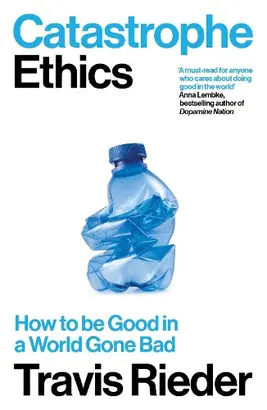
Catastrophe Ethics

Catastrophe Ethics

Travis Rieder

Philosopher Travis Rieder outlines a new ethics for the age of humanmade catastrophe. We are all asking, in a hyperglobalised world hurtling towards environmental destruction: how do we determine the right actions? Do our individual efforts to avoid plastic or air travel, or to drive electric, make any real difference? We urgently need to expand our ethical toolkit. The mental ...

Disponible

Q. 130

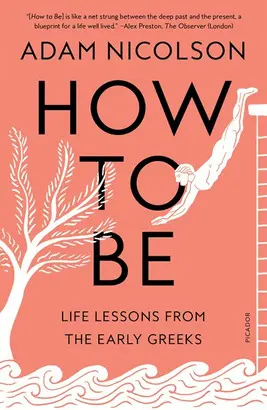
How To Be

How To Be

Adam Nicolson

Nicolson crafts a geography of the ancient world and a brilliant exploration of our connections to the past.What is the nature of things?What is justice? How can I be myself?How should we treat each other?Before the Greeks, the idea of the world was dominated by god-kings and their priests. Twenty-five hundred years ago, in a succession of small eastern Mediterranean harbor cit...

Disponible

Q. 230

The Invention Of Good And Evil

The Invention Of Good And Evil

Sauer, Hanno

For almost five million years, humans have been locked in a relationship with morality, inventing and reinventing the concepts of 'Good' and 'Evil', and weaving them into our cities, laws and customs. Morality is often associated with restraint and coercion; restriction and sacrifice; inquisition, confession and a guilty conscience. Joyless and claustrophobic, it is a device us...

Disponible

Q. 340

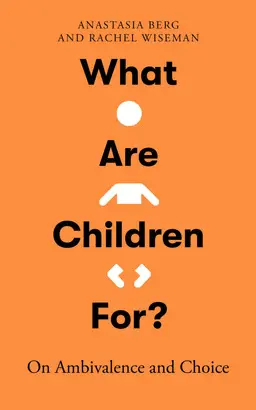
What Are Children For?

What Are Children For?

Anastasia Berg / Wise, Rachel

Having children is one of the biggest decisions you'll make in your life. Increasingly, we aren't making it at all. A NEW STATESMAN BEST BOOK OF 2024 'A book for lovers of sound reasoning.' THE NEW YORKER Across the developed world, fewer and fewer people are becoming parents. We seek self-fulfilment; we want women to find meaning and self-worth outside the household; we wish t...

Disponible

Q. 310

How To Think Like a Philosopher

How To Think Like a Philosopher

Peter Cave

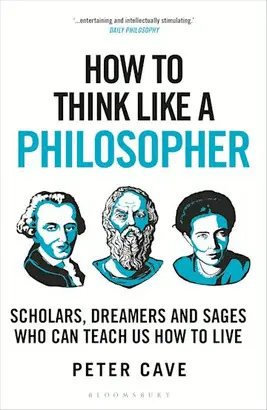
An entertaining guide to history's most fascinating philosophers - from Sappho to Kant, and Aristotle to Simone de Beauvoir - which seeks to help us answer life's big questions.In showing how the great philosophers of human history lived and thought - and what they thought about - Peter Cave provides an accessible and enjoyable introduction to thinking philosophically and how i...

Disponible

Q. 130

Otros libros del autor

El Estoico Practicante

El Estoico Practicante

Ward Farnsworth

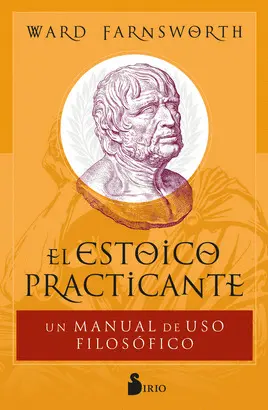
Vivimos convencidos de que, en todas las situaciones de la vida, reaccionamos directamente a los acontecimientos. Sin embargo, para los filósofos estoicos esto es pura ilusión: en realidad reaccionamos a nuestros juicios y opiniones, a lo que pensamos de las cosas, no a las cosas en sí. El estoico practicante ha de estar decidido a tomar conciencia de esos juicios, a descubrir ...

Disponible

Q. 210

The Practicing Stoic

The Practicing Stoic

Ward Farnsworth

The great insights of the Sotics are spread over a wide range of ancient sources. This book brings them all together for the first time. It systematically presents what the various Stoic philosophers said on every important topic, accompanied by an eloquent commentary that is clear and concise. The result is a set of philosophy lessons for everyone - the most valuable wisdom of...

Disponible

Q. 310

Otros clientes también compraron

Arguing For a Better World

Arguing For a Better World

Arianne Shahvisi

Is it sexist to say that "men are trash"? Can white people be victims of racism? Do we bear any individual responsibility for climate change?We've all wrestled with questions like these, whether we're shouting at a relative across the dinner table, quarreling with old classmates on social media, or chatting late into the night with friends. Many people give kneejerk answers tha...

Único ejemplar, sujeto
a disponibilidad

Q. 210