Saltar al contenido principal
Phishing For Phools

Phishing For Phools

George A. Akerlof

Ever since Adam Smith, the central teaching of economics has been that free markets provide us with material well-being, as if by an invisible hand. In Phishing for Phools, Nobel Prize-winning economists George Akerlof and Robert Shiller deliver a fundamental challenge to this insight, arguing that markets harm as well as help us. As long as there is profit to be made, sellers ...

Editorial:
Abbeville
Materia:
Economía
ISBN:
978-0-691-16831-9
Q. 250
IVA incluido
No disponible
Añadir a favoritos Avisar disponibilidad

Sinopsis

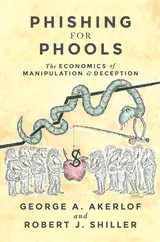
Ever since Adam Smith, the central teaching of economics has been that free markets provide us with material well-being, as if by an invisible hand. In Phishing for Phools, Nobel Prize-winning economists George Akerlof and Robert Shiller deliver a fundamental challenge to this insight, arguing that markets harm as well as help us. As long as there is profit to be made, sellers will systematically exploit our psychological weaknesses and our ignorance through manipulation and deception. Rather than being essentially benign and always creating the greater good, markets are inherently filled with tricks and traps and will "phish" us as "phools."

Phishing for Phools therefore strikes a radically new direction in economics, based on the intuitive idea that markets both give and take away. Akerlof and Shiller bring this idea to life through dozens of stories that show how phishing affects everyone, in almost every walk of life. We spend our money up to the limit, and then worry about how to pay the next month's bills. The financial system soars, then crashes. We are attracted, more than we know, by advertising. Our political system is distorted by money. We pay too much for gym memberships, cars, houses, and credit cards. Drug companies ingeniously market pharmaceuticals that do us little good, and sometimes are downright dangerous.

Phishing for Phools explores the central role of manipulation and deception in fascinating detail in each of these areas and many more. It thereby explains a paradox: why, at a time when we are better off than ever before in history, all too many of us are leading lives of quiet desperation. At the same time, the book tells stories of individuals who have stood against economic trickery—and how it can be reduced through greater knowledge, reform, and regulation.

George A. Akerlof is University Professor at Georgetown University and the winner of the 2001 Nobel Prize. Robert J. Shiller is Sterling Professor of Economics at Yale University, the winner of the 2013 Nobel Prize, and the author of the New York Times bestseller Irrational Exuberance (Princeton). Akerlof and Shiller are also the authors of Animal Spirits: How Human Psychology Drives the Economy, and Why It Matters for Global Capitalism (Princeton).

Artículos relacionados

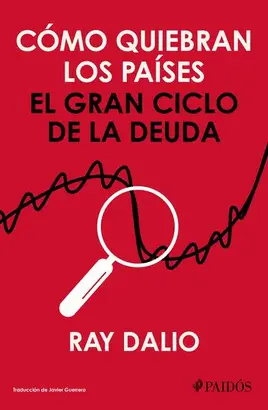
Cómo Quiebran los Países

Cómo Quiebran los Países

Ray Dalio / Dalio, Ray

Una guía práctica para afrontar el futuro basada en las lecciones aprendidas del pasado¿Existen límites para el crecimiento de la deuda? ¿Amenazan las grandes deudas públicas nuestro bienestar colectivo? ¿Puede llegar a quebrar un país como Estados Unidos, con una moneda de reserva tan importante?Los políticos, los responsables públicos y los inversores llevan décadas debatiend...

Disponible

Q. 260

Dinero a Todo Color

Dinero a Todo Color

Redondo, Andrea

¿Y si el dinero dejara de ser un problema y se convirtiera en tu mejor aliado?Tu momento es ahora: este libro será tu hoja de ruta hacia una vida extraordinaria.El dinero no es un fin, es la herramienta que te permitirá vivir la vida que sueñas.Este libro es una guía práctica y cercana para que tomes el control de tus finanzas y te acerques a la vida plena y libre que mereces. ...

Disponible

Q. 260

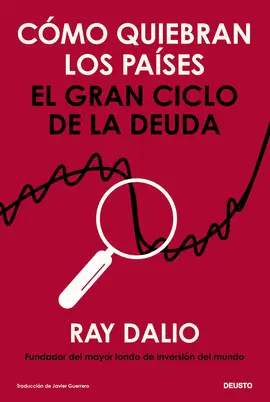
Cómo Quiebran los Países

Cómo Quiebran los Países

Dalio, Ray

Una guía práctica para afrontar el futuro basada en las lecciones aprendidas del pasado¿Existen límites para el crecimiento de la deuda? ¿Amenazan las grandes deudas públicas nuestro bienestar colectivo? ¿Puede llegar a quebrar un país como Estados Unidos, con una moneda de reserva tan importante? Los políticos, los responsables públicos y los inversores llevan décadas debatien...

Disponible

Q. 295

Igualdad

Igualdad

Darrin M. Mcmahon

Una historia fascinante sobre la idea de igualdad y su evolución a lo largo de los siglos, desde sus raíces en la Antigüedad hasta la crisis que enfrentamos en el presente.En nuestro mundo proliferan las desigualdades, inmensas y de muy diversos tipos (económicas, raciales, identitarias, nacionales...). Pero ¿cómo podemos remediarlas si no acabamos de entender lo que significa ...

Disponible

Q. 310

El Patrón Bitcoin

El Patrón Bitcoin

Ammous, Saifedean

Pasado, presente y futuro del dinero: de las piedras al Bitcoin.Cuando en 2008 un programador informático desconocido anunció que había creado un nuevo sistema de dinero electrónico con tecnología peer-to-peer (P2P), pocos prestaron atención. En la actualidad, el Bitcoin es ya una alternativa descentralizada a los bancos centrales y al dinero físico. El profesor y economista Sa...

Disponible

Q. 135

El Capitalismo de la Fragmentación

El Capitalismo de la Fragmentación

Quinn Slobodian / Slobodian, Quinn

Quinn Slobodian, aclamado historiador de las ideas, nos muestra cómo los partidarios del radicalismo de mercado están cumpliendo su principal objetivo: acabar con los Estados nación y con las limitaciones de la democracia.Una obra maestra de historia económica e intelectual.Los Estados nación dan un toque de color a los mapas, pero no suponen una verdadera fuente de poder.En es...

Único ejemplar, sujeto
a disponibilidad

Q. 230