Saltar al contenido principal
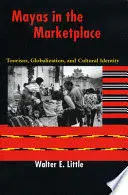
Mayas In The Marketplace

Mayas In The Marketplace

Tourism, Globalization, And Cultural Identity

Walter E. Little

2005 — Best Book Award - New England Council of Latin American StudiesSelling handicrafts to tourists has brought the Maya peoples of Guatemala into the world market. Vendors from rural communities now offer their wares to more than 500,000 international tourists annually in the marketplaces of larger cities such as Antigua, Guatemala City, Panajachel, and Chichicastenango. Lik...

Editorial:
University Of Texas Press
Año de edición:
2004
Materia:
Estudios mayas
ISBN:
978-0-292-70567-8
Páginas:
320
Q. 375
IVA incluido
Único ejemplar, sujeto
a disponibilidad
Añadir a favoritos Avisar disponibilidad

Sinopsis

2005 — Best Book Award - New England Council of Latin American Studies

Selling handicrafts to tourists has brought the Maya peoples of Guatemala into the world market. Vendors from rural communities now offer their wares to more than 500,000 international tourists annually in the marketplaces of larger cities such as Antigua, Guatemala City, Panajachel, and Chichicastenango. Like businesspeople anywhere, Maya artisans analyze the desires and needs of their customers and shape their products to meet the demands of the market. But how has adapting to the global marketplace reciprocally shaped the identity and cultural practices of the Maya peoples?

Drawing on over a decade of fieldwork, Walter Little presents the first ethnographic study of Maya handicraft vendors in the international marketplace. Focusing on Kaqchikel Mayas who commute to Antigua to sell their goods, he explores three significant issues:

how the tourist marketplace conflates global and local distinctions.
how the marketplace becomes a border zone where national and international, developed and underdeveloped, and indigenous and non-indigenous come together.
how marketing to tourists changes social roles, gender relationships, and ethnic identity in the vendors' home communities.
Little's wide-ranging research challenges our current understanding of tourism's negative impact on indigenous communities. He demonstrates that the Maya are maintaining a specific, community-based sense of Maya identity, even as they commodify their culture for tourist consumption in the world market.

Artículos relacionados

Madre Tierra

Madre Tierra

Crisóstomo, Luis Javier

"La humanidad debe alfabetizarse en lectura y buena escucha acerca del lenguaje de la naturaleza puesto que es comu´n en la cultura de pueblos originarios escuchar dia´logos entre persona, entre personas y plantas y entre personaes y animales que viven en el entorno ...

Disponible

Q. 130

Popol Wuj

Popol Wuj

Rodríguez Guaján, Pakal B Alam (Adaptador)

Popol wuj, libro del Pueblo, Libro del Consejo. Es conocido como Popol wuj. La academia de las Lenguas Mayas de Guatemala, y de la Reforma Educativa, han hecho posible difundir el Popol wuj, como forma correcta. El popol Wuj es uno de los textos más importantes de la literatura maya. Incluye historias y mitología de la creación del mundo. Contiene un conjunto de conceptos, cree...

Disponible

Q. 55

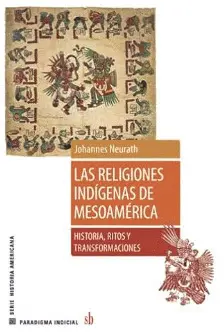
Las Religiones Indígenas de Mesoamérica

Las Religiones Indígenas de Mesoamérica

Neurath, Johannes

Este libro ofrece una introducción general a las religiones de Mesoamérica. No persigue un fin enciclopedista, sino demostrar que, aun en la época de la hiperespecialización académica, los estudios mesoamericanos integrales no son imposibles. Un aporte fundamental de esta nueva propuesta es impulsar conceptos que no provienen de la teología y de la historia de las religiones, s...

Disponible

Q. 150

Lenguas Indígenas de América Latina -50%

Lenguas Indígenas de América Latina

Varios Autores / Lenka Zajícová

Contiene diez estudios lingüísticos y sociolingüísticos sobre lenguas americanas que tratan temas relacionados tanto con su historia, como con su presente, y que van desde un análisis crítico de ideologías coloniales hasta la revalorización social de estas lenguas en la actualidad. ...

Disponible
Q. 340

Q. 170

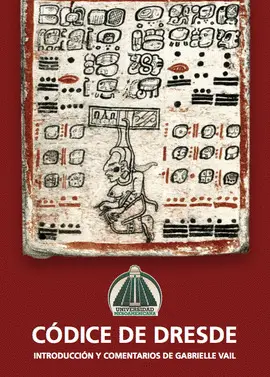
Códice de Dresde (Pasta Suave)

Códice de Dresde (Pasta Suave)

Varios Autores

CÓDICE DE DRESDE es el séptimo librocon que la Universidad Mesoamericanapromueve el estudio, la comprensión yla valoración del pasado prehispánicomesoamericano y, en especial, de losconocimientos astronómicos, matemáticosy religiosos de los mayas.La Doctora Gabrielle Vail tradujo losglifos e incorporó explicaciones sobrelos cálculos astronómicos, calendáricos ymatemáticos que s...

Único ejemplar, sujeto
a disponibilidad

Q. 1.035

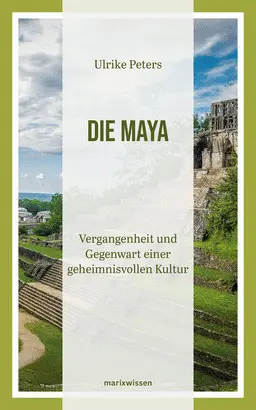
Die Maya: Vergangenheit Und Gegenwart Einer Geheimnisvollen Kultur

Die Maya: Vergangenheit Und Gegenwart Einer Geheimnisvollen Kultur

Ulrike Peters

Die Zivilisation der Maya ist eine der faszinierendsten Hochkulturen der Welt, die den Vergleich mit der Alten Welt nicht scheuen muss. Mit dem am weitesten entwickelten Schrift-, Zahl- und Kalendersystem waren sie die Genies unter den präkolumbianischen Kulturen. Sie kannten bereits die Null, eine Errungenschaft, die im Abendland erst mit dem arabischen Zahlsystem bekannt wurd...

Disponible

Q. 230