Saltar al contenido principal
Human All Too Human & Beyond Good And Evil

Human All Too Human & Beyond Good And Evil

Nietzsche, Friedrich / Griffith, Tom

Human, All Too Human (1878) marks the point where Nietzsche abandons German romanticism for the French Enlightenment. At a moment of crisis in his life (no longer a friend of Richard Wagner, forced to leave academic life through ill health), he sets out his views in a scintillating and bewildering series of aphorisms which contain the seeds of his later philosophy (e.g. the wil...

Editorial:
Wordsworth
ISBN:
978-1-84022-591-4
Q. 80
IVA incluido
No disponible
Añadir a favoritos Avisar disponibilidad

Sinopsis

Human, All Too Human (1878) marks the point where Nietzsche abandons German romanticism for the French Enlightenment. At a moment of crisis in his life (no longer a friend of Richard Wagner, forced to leave academic life through ill health), he sets out his views in a scintillating and bewildering series of aphorisms which contain the seeds of his later philosophy (e.g. the will to power, the need to transcend conventional Christian morality). The result is one of the cornerstones of his life's work. It well deserves its subtitle ‘A Book for Free Spirits', and its original dedication to Voltaire, whose project of radical enlightenment here finds a new champion.

Beyond Good and Evil (1886) is a scathing and powerful critique of philosophy, religion and science. Here Nietzsche presents us with problems and challenges that are as troubling as they are inspiring, while at the same time outlining the virtues, ideas, and practices which will characterise the philosophy of the future. Relentless, energetic, tirelessly probing, he both determines that philosophy's agenda and is himself the embodiment of the type of thought he wants to foster.

Artículos relacionados

How To Dream

How To Dream

Nhat Hanh, Thich

In the final book of the best-selling Mindfulness Essentials series, Zen Master Thich Nhat Hanh shows us how to realize our dreams in this very moment.We all want our lives to be useful and meaningful. The aspiration to transform suffering—our own, each other's, and the Earth's—can give us the energy we need to continue on a wholesome path. In How to Dream, Thich Nhat Hanh expl...

Disponible

Q. 110

Catastrophe Ethics

Catastrophe Ethics

Travis Rieder

Philosopher Travis Rieder outlines a new ethics for the age of humanmade catastrophe. We are all asking, in a hyperglobalised world hurtling towards environmental destruction: how do we determine the right actions? Do our individual efforts to avoid plastic or air travel, or to drive electric, make any real difference? We urgently need to expand our ethical toolkit. The mental ...

Disponible

Q. 130

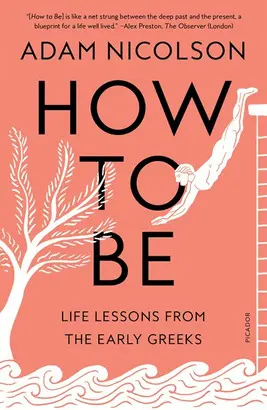
How To Be

How To Be

Adam Nicolson

Nicolson crafts a geography of the ancient world and a brilliant exploration of our connections to the past.What is the nature of things?What is justice? How can I be myself?How should we treat each other?Before the Greeks, the idea of the world was dominated by god-kings and their priests. Twenty-five hundred years ago, in a succession of small eastern Mediterranean harbor cit...

Disponible

Q. 230

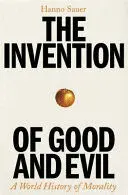
The Invention Of Good And Evil

The Invention Of Good And Evil

Sauer, Hanno

For almost five million years, humans have been locked in a relationship with morality, inventing and reinventing the concepts of 'Good' and 'Evil', and weaving them into our cities, laws and customs. Morality is often associated with restraint and coercion; restriction and sacrifice; inquisition, confession and a guilty conscience. Joyless and claustrophobic, it is a device us...

Disponible

Q. 340

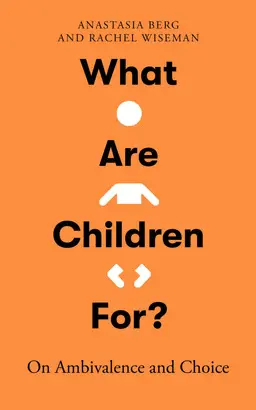
What Are Children For?

What Are Children For?

Anastasia Berg / Wise, Rachel

Having children is one of the biggest decisions you'll make in your life. Increasingly, we aren't making it at all. A NEW STATESMAN BEST BOOK OF 2024 'A book for lovers of sound reasoning.' THE NEW YORKER Across the developed world, fewer and fewer people are becoming parents. We seek self-fulfilment; we want women to find meaning and self-worth outside the household; we wish t...

Disponible

Q. 310

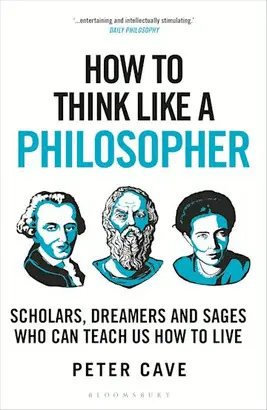
How To Think Like a Philosopher

How To Think Like a Philosopher

Peter Cave

An entertaining guide to history's most fascinating philosophers - from Sappho to Kant, and Aristotle to Simone de Beauvoir - which seeks to help us answer life's big questions.In showing how the great philosophers of human history lived and thought - and what they thought about - Peter Cave provides an accessible and enjoyable introduction to thinking philosophically and how i...

Disponible

Q. 130

Otros libros del autor

La Genealogía de la Moral

La Genealogía de la Moral

Nietzsche, Friedrich

Nietzsche vuelve a mostrar en esta obra cómo los dos mil años de cristianismo han instaurado una moral equívoca basada en una concepción del bien y del mal que atenta contra los instintos del hombre. Esa falsa moralidad debe ser superada, con una inversión total de los valores establecidos. Para ello el filósofo contrapone aquí el pensamiento de la antigüedad, en una nueva mu...

Disponible

Q. 220

La Gaya Ciencia

La Gaya Ciencia

Nietzsche, Friedrich

Una de las obras más deslumbrantes y provocadoras del pensamiento occidental. En estas páginas, Nietzsche deja de ser únicamente filósofo para convertirse en poeta, psicólogo y profeta feroz de una época en transformación. Este estudio no es un tratado al uso: es un estallido de lucidez. Aquí convergen el ingenio y la profundidad, el canto a la vida y el vértigo de la duda, la ...

Disponible

Q. 120

Más Allá del Bien y del Mal

Más Allá del Bien y del Mal

Nietzsche, Friedrich

Entre 1885 y 1886 Nietzsche ofrecía dos títulos que condensaban su ideología principal, de manera muy distinta. Si Así habló Zaratustra expresaba su mensaje intelectual de forma poética y enigmática, Más allá del bien y del mal aparecía, en cambio, como discurso directo y perfectamente estructurado. La denuncia a la vacuidad del pensamiento general, acrítico y sujeto a la mora...

Disponible

Q. 275

Humano, Demasiado Humano y Fragmentos Póstumos (1876-1879)

Humano, Demasiado Humano y Fragmentos Póstumos (1876-1879)

Nietzsche, Friedrich

Esta obra, calificada por el propio Nietzsche como «monumento a una crisis», es el comienzo de toda la «filosofia de la sospecha». Redactada entre 1878 y 1879, en esta obra descubrimos los primeros pasos que le conducirán a la crítica de la moral vigente y hacia el nuevo amanecer que supondrá la llegada de Zaratustra. De este modo, Nietzsche rompe con sus dos grandes influencia...

Único ejemplar, sujeto
a disponibilidad

Q. 400

La Filosofía en la Época Trágica de los Griegos

La Filosofía en la Época Trágica de los Griegos

Nietzsche, Friedrich

La filosofía en la época trágica de los griegos fue un proyecto de libro que quedó inacabado y en el que Nietzsche se propuso exponer los pensamientos de los filósofos antiguos en íntima conexión con sus vidas. Quiere trasladarnos al mundo concreto y vital en el que se insertaba la personalidad de estos filósofos y en el que surgió su pensamiento, para contraponer la fuerza eje...

Disponible

Q. 210

El Anticristo

El Anticristo

Nietzsche, Friedrich

El Anticristo, la última obra que empieza a ser escrita por Friedrich Nietzsche antes de su derrumbamiento final en 1888, no es, como ha podido parecer, un simple testamento de un gran filósofo próximo a la locura. Se trata más bien de la coherente culminación de un pensamiento comprometido con la crítica de los cimientos cristianos de la cultura occidental, así como de un desc...

Disponible

Q. 130