Saltar al contenido principal
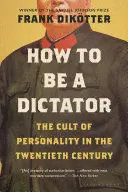
How To Be a Dictator

How To Be a Dictator

The Cult Of Personality In The Twentieth Century

Dikötter, Frank

From the Samuel Johnson Prize-winning author of China After Mao, a sweeping and timely study of twentieth-century dictators and the development of the modern cult of personality.No dictator can rule through fear and violence alone. Naked power can be grabbed and held temporarily, but it never suffices in the long term. In the twentieth century, as new technologies allowed leade...

Editorial:
Bloomsbury Usa
Año de edición:
2022
ISBN:
978-1-63973-068-1
Páginas:
304
Q. 190
IVA incluido
No disponible
Añadir a favoritos Avisar disponibilidad

Sinopsis

From the Samuel Johnson Prize-winning author of China After Mao, a sweeping and timely study of twentieth-century dictators and the development of the modern cult of personality.

No dictator can rule through fear and violence alone. Naked power can be grabbed and held temporarily, but it never suffices in the long term. In the twentieth century, as new technologies allowed leaders to place their image and voice directly into their citizens' homes, a new phenomenon appeared where dictators exploited the cult of personality to achieve the illusion of popular approval without ever having to resort to elections.
In How to Be a Dictator, Frank Dikötter examines the cults and propaganda surrounding twentieth-century dictators, from Hitler and Stalin to Mao Zedong and Kim Il Sung. These men were the founders of modern dictatorships, and they learned from each other and from history to build their regimes and maintain their public images. Their dictatorships, in turn, have influenced leaders in the twenty-first century, including Vladimir Putin, Viktor Orbán, and Xi Jinping.
Using a breadth of archival research and his characteristic in-depth analysis, Dikötter offers a stunning portrait of dictatorship, a guide to the cult of personality, and a map for exposing the lies dictators tell to build and maintain their regimes.

Artículos relacionados

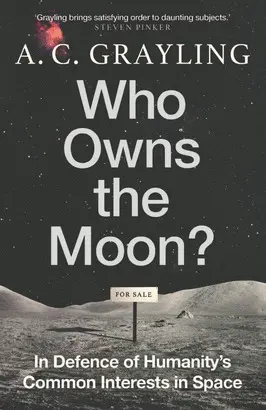
Who Owns The Moon?

Who Owns The Moon?

A. C. Grayling

A Defence of Our Intergalactic Common InterestsAs the world's superpowers and corporations jostle for control in space, A. C. Grayling asks: who really owns our planet? 'Grayling brings satisfying order to daunting subjects.' STEVEN PINKER Silicon for microchips; manganese for batteries; titanium for missiles. The moon contains a wealth of natural resources. So, as the Earth's ...

Disponible

Q. 170

If Russia Wins

If Russia Wins

Carlo Masala

A #1 international bestseller from a NATO expert, this deeply researched and chillingly plausible scenario imagines what might happen should Putin defeat Ukraine and not stop there March 2028. Russian troops capture the small Estonian town of Narva and the island of Hiiumaa in the Baltic Sea. After a victorious peace deal in Ukraine, Putin's long-mooted encroachment into the Ba...

Disponible

Q. 185

War And Power

War And Power

O'brien, Phillips Payson

A bold, revisionist study of modern warfare, showing that military victory is rooted not in large armies and decisive battles, but in the full spectrum of economic, political, and social power--"vital reading for anyone grappling with America's uncertain place in today's global order" (Alexander Vindman, New York Times-bestselling author of The Folly of Realism) For nearly two...

Disponible

Q. 310

1929

1929

Andrew Ross Sorkin

From the bestselling author of Too Big to Fail, "the definitive history of the 2008 banking crisis,"* comes a spellbinding narrative of the most infamous stock market crash in history. With the depth of a classic history and the drama of a thriller, 1929 unravels the greed, blind optimism, and human folly that led to an era-defining collapse—one with ripple effects that still s...

Disponible

Q. 350

Unit X

Unit X

Raj M. Shah / Christopher Kirchhoff

Shortlisted for the 2024 Financial Times Business Book of the Year "An exceedingly important book!" —General David Petraeus, US Army (Ret.), former Director of the CIA "Essential reading for understanding how technology will change the future of warfare." —Chris Miller, New York Times bestselling author of Chip War "Inspiring. A riveting reminder of how hard protecting our nati...

Disponible

Q. 190

Revenge

Revenge

Alex Isenstadt

From Politico journalist Alex Isenstadt, a fly-on-the-wall account of Trump's 2024 campaign, through his stunning reelection. According to his closest confidantes, even Donald Trump was taken aback by his decisive victory. The road to his reelection was much like everything else within Trump World; abrupt turns off the road of normalcy, head scratching comments & behavior, wit...

Disponible

Q. 210

Otros libros del autor

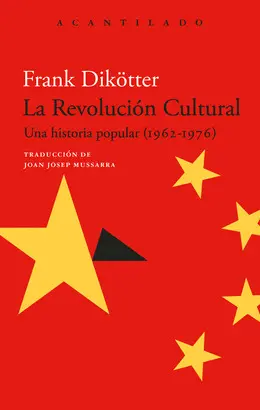
La Revolución Cultural

La Revolución Cultural

Dikötter, Frank

Tras la cata´strofe econo´mica y humana del Gran Salto Adelante, un Mao envejecido disen~o´ un ambicioso plan para afianzar su liderazgo y su legado: la llamada Revolucio´n Cultural, cuyo objetivo declarado era la purga definitiva de los burgueses infiltrados en el gobierno y la sociedad para minar el comunismo. No obstante, el plan servi´a al dictador para desembarazarse de ve...

Único ejemplar, sujeto
a disponibilidad

Q. 360

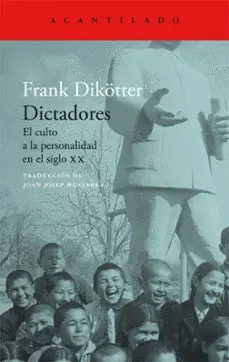
Dictadores

Dictadores

Dikötter, Frank

A ningún dictador le bastan el miedo y la violencia para gobernar: estas estrategias pueden resultar indispensables para alcanzar el poder e incluso para mantenerlo durante un tiempo, pero no suelen ser efectivas a largo plazo. La paradoja del dictador moderno es que debe crear la ilusión del respaldo popular, pues sólo un tirano cuyo gobierno es capaz de inspirar idolatría en ...

Disponible

Q. 270

China After Mao

China After Mao

Dikötter, Frank

"A blow-by-blow account ... An important corrective to the conventional view of China's rise."--Financial TimesFrom internationally renowned historian Frank Dikötter, winner of the Samuel Johnson Prize, a myth-shattering history of China from the death of Chairman Mao to Xi Jinping.Through decades of direct experience of the People's Republic combined with extraordinary access ...

No disponible

Q. 310

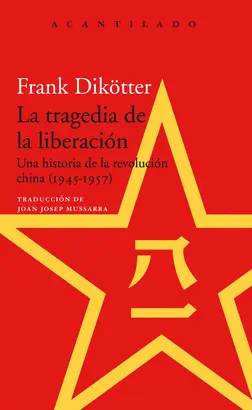
La Tragedia de la Liberación

La Tragedia de la Liberación

Dikötter, Frank

En 1 9 4 9, tras una sangrienta guerra civil, Mao Zedong izó la bandera roja en la Ciudad Pro- hibida de Pekín. Pero la victoria del Partido Co- munista de China sobre las fuerzas de Chiang Kai-shek no trajo paz, libertad y justicia, sino la instauración del sistema del terror propio de los regímenes totalitarios y la violencia sis- temática que causó la muerte de cinco millo- ...

No disponible

Q. 475