0
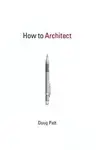
HOW TO ARCHITECT

HOW TO ARCHITECT

DOUG PATT

Q. 130
IVA incluido
No disponible
Editorial:
MIT PRESS
Año de edición:
2012
Materia:
Arquitectura
ISBN:
978-0-262-51699-0
Q. 130
IVA incluido
No disponible
Añadir a favoritos

The word "architect" is a noun, but Doug Patt uses it as a verb--coining a term and making a point about using parts of speech and parts of buildings in new ways. Changing the function of a word, or a room, can produce surprise and meaning. In How to Architect, Patt--an architect and the creator of a series of wildly popular online videos about architecture--presents the basics of architecture in A-Z form, starting with "A is for Asymmetry" (as seen in Chartres Cathedral and Frank Gehry), detouring through "N is for Narrative," and ending with "Z is for Zeal" (a quality that successful architects tend to have, even in fiction--see The Fountainhead's architect-hero Howard Roark.)

How to Architect is a book to guide you on the road to architecture. If you are just starting on that journey or thinking about becoming an architect, it is a place to begin. If you are already an architect and want to remind yourself of what drew you to the profession, it is a book of affirmation. And if you are just curious about what goes into the design and construction of buildings, this book tells you how architects think. Patt introduces each entry with a hand-drawn letter, and accompanies the text with illustrations that illuminate the concept discussed: a fallen Humpty Dumpty illustrates the perils of fragile egos; photographs of an X-Acto knife and other hand tools remind us of architecture's nondigital origins.

How to Architect offers encouragement to aspiring architects but also mounts a defense of architecture as a profession--by calling out a defiant verb: architect!

Artículos relacionados

  • UNA HISTORIA PERSONAL DE LA ARQUITECTURA EUROPEA
    UNA HISTORIA PERSONAL DE LA ARQUITECTURA EUROPEA
    FERRER, DAVID
    Un recorrido fascinante y extraordinariamente ilustrado que explica como nunca antes las claves de la arquitectura.El arquitecto David Ferrer nos acompaña en estas páginas a lo largo de un itinerario lleno de etapas fascinantes: la civilización griega con los primeros edificios de nuestra cultura, las portentosas construcciones romanas, las catedrales góticas, el clasicismo ren...
    Único ejemplar, sujeto
    a disponibilidad

    Q. 250

  • LA FUENTE HELADA
    LA FUENTE HELADA
    BRAGDON, CLAUDE
    Este libro, nos dice su autor, es fruto de largos años de reflexión en torno a «líneas de pensamiento y experimentación poco habituales». Para él, la fuente es la imagen que mejor representa el misterio de la vida; en arquitectura, los rascacielos serían las fuentes heladas que han ido brotando en las ciudades. La forma, como afirmaba Sullivan, ha de ser siempre fiel a la funci...
    Único ejemplar, sujeto
    a disponibilidad

    Q. 310

  • LA CIUDAD DE LOS DÍAS LEJANOS
    LA CIUDAD DE LOS DÍAS LEJANOS
    PEDRO AZARA
    La primera ciudad existió antes del origen de los tiempos que, precisamente, nacieron de la ciudad de los días lejanos. La fundación de las ciudades incumbía a dioses y héroes, que transmitieron sus saberes a los mortales. En la Grecia antigua, la humanidad del hombre se manifestaba porque moraba en la ciudad; la ciudad hacía al ser humano. El ser se entendía como un ser en la ...
    Único ejemplar, sujeto
    a disponibilidad

    Q. 280

  • PUENTES, NO MUROS
    PUENTES, NO MUROS
    VALENTINIS, PIA / ASCARI, GIANCARLO
    Puentes de piedra, de madera, de colores o incluso de música. Puentes, no muros recoge cincuenta bellas ilustraciones de puentes de todo el mundo, para cruzarlos a pie o con la imaginación. Los puentes son un remiendo en el territorio; sirven para sortear agua y aire. Escenarios de batallas y de reconciliaciones, antiguas leyendas y tradiciones nos hablan de ellos como símbolos...
    Disponible

    Q. 220

  • TOKIO EMERGENTE
    TOKIO EMERGENTE
    ALMAZÁN, JORGE
    Tokio es una de las ciudades más dinámicas y atractivas del mundo, una inmensa metrópolis donde el crecimiento masivo y la vida comunitaria coexisten de manera sorprendente. Su modelo de desarrollo ofrece un innovador ecosistema urbano a escala humana que permite a los ciudadanos moldear su entorno y preservar un hábitat acogedor y adaptable al margen de la planificación gubern...
    No disponible

    Q. 300

  • GUÍA VISUAL DE LA ARQUITECTURA EN LA EDAD MEDIA II
    GUÍA VISUAL DE LA ARQUITECTURA EN LA EDAD MEDIA II
    PLAZA ESCUDERO, LORENZO DE LA / MARTÍNEZ MURILLO, JOSÉ MARÍA / LIZASOAIN HERNÁNDEZ, JAVIER
    Esta obra centrada en el Románico continúa la estela de los volúmenes "Guía visual de la arquitectura del Mundo Antiguo" y "Guía visual de la arquitectura en la Edad Media I". Este período, que se inicia en torno al año 1000, supone una consolidación de los modelos previos, donde el protagonista esencial en la arquitectura sigue siendo la "casa de Dios". La obra se mueve en un ...
    No disponible

    Q. 260