Saltar al contenido principal
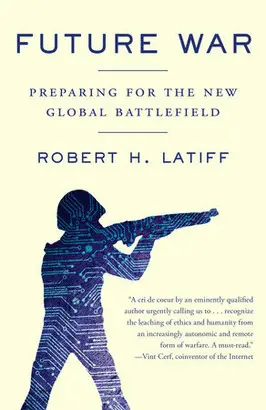
Future War

Future War

Robert Latiff

An urgent, prescient, and expert look at how future technology will change virtually every aspect of war as we know it and how we can respond to the serious national security challenges ahead. Future war is almost here: battles fought in cyberspace; biologically enhanced soldiers; autonomous systems that can process information and strike violently before a human being can blin...

Editorial:
Vintage
ISBN:
978-1-101-97180-2
Q. 165
IVA incluido
No disponible
Añadir a favoritos Avisar disponibilidad

Sinopsis

An urgent, prescient, and expert look at how future technology will change virtually every aspect of war as we know it and how we can respond to the serious national security challenges ahead.

Future war is almost here: battles fought in cyberspace; biologically enhanced soldiers; autonomous systems that can process information and strike violently before a human being can blink.
A leading expert on the place of technology in war and intelligence, Robert H. Latiff, now teaching at the University of Notre Dame, has spent a career in the military researching and developing new combat technologies, observing the cost of our unquestioning embrace of innovation. At its best, advanced technology acts faster than ever to save the lives of soldiers; at its worst, the deployment of insufficiently considered new technology can have devastating unintended or long-term consequences. The question of whether we can is followed, all too infrequently, by the question of whether we should.
In Future War, Latiff maps out the changing ways of war and the weapons technologies we will use to fight them, seeking to describe the ramifications of those changes and what it will mean in the future to be a soldier. He also recognizes that the fortunes of a nation are inextricably linked with its national defense, and how its citizens understand the importance of when, how, and according to what rules we fight. What will war mean to the average American? Are our leaders sufficiently sensitized to the implications of the new ways of fighting? How are the attitudes of individuals and civilian institutions shaped by the wars we fight and the means we use to fight them? And, of key importance: How will soldiers themselves think about war and their roles within it?
The evolving, complex world of conflict and technology demands that we pay more attention to the issues that will confront us, before it is too late to control them. Decrying what he describes as a "broken" relationship between the military and the public it serves, Latiff issues a bold wake-up call to military planners and weapons technologists, decision makers, and the nation as a whole as we prepare for a very different future.

Artículos relacionados

100 Fragmentos del Mundo Clásico

100 Fragmentos del Mundo Clásico

Hernández De La Fuente, David

Un compendio fascinante de mitos, leyendas y realidades históricas¿Existió la ciudad de la Atlántida? ¿Pronunció Julio César las famosas palabras «¿Tú también, hijo?», antes de morir? A veces, la narración patrimonial y literaria difiere de los hechos. Así, este libro, escrito con afán divulgativo, pretende transitar por la delgada línea roja que separa los relatos de tintes le...

Disponible

Q. 150

Érase una Vez Tenochtitlán

Érase una Vez Tenochtitlán

Rosas, Alejandro

Aunque nos separan siete siglos, mexicas y chilangos compartimos un pasado común escrito sobre un lugar donde alguna vez hubo un lago. La historia de Tenochtitlán es el preludio de la historia de la Ciudad de México y ha llegado la hora de mirarla a través de sus dioses y tlatoanis. Este es un relato al más puro estilo de Game of Thrones, pero mexica y verídico, en el que, mie...

Disponible

Q. 190

¿Quién Teme a los Griegos y a los Romanos?

¿Quién Teme a los Griegos y a los Romanos?

Bettini, Maurizio

Entre la cancelación y la veneración acrítica de los clásicos existe otro camino: el diálogo respetuoso pero sincero con un pasado que, aunque nos incomode, sigue siendo parte fundamental de quiénes somos.En las aulas de todo el mundo se están sometiendo a examen crítico los textos que hasta hace no tanto se consideraban los pilares sagrados de la civilización occidental. Los a...

Disponible

Q. 160

Rusia Contra Napoleón

Rusia Contra Napoleón

Dominic Lieven

En verano de 1812, Napoleón, en el apogeo de su dominio de Europa, marchó hacia Rusia con el mayor ejército de la historia y la convicción de que la expansión de su imperio era imparable. Sin embargo, apenas dos años después sus ejércitos fueron derrotados y Rusia salió victoriosa. Gracias a un profundo conocimiento de la singular realidad social, política y económica en tiempo...

Disponible

Q. 515

Un Pueblo en el Tercer Reich

Un Pueblo en el Tercer Reich

Julia Boyd / Patel, Angelika / Boyd, Julia

Los tentáculos del nazismo en la vida cotidiana Oberstdorf es un hermoso pueblo de los Alpes. Allí, durante siglos, las personas llevaron vidas sencillas, al margen de la gran historia. Sin embargo, incluso en este idílico pueblo, el nacionalsocialismo llegó a controlar la vida y la mente de sus habitantes. Basado en material de archivo, cartas, entrevistas y relatos orales, U...

Disponible

Q. 325

Días de Sol y Piedra

Días de Sol y Piedra

Pérez-Muelas, Pepe

El nuevo libro del autor de Homo viatorUn apasionante viaje repleto de arte, historia y literatura para todos los enamorados de Italia. Un hombre quiere volver a Roma. Lo hace en bicicleta desde los Alpes, cargado de equipaje. Lleva consigo miedos, ansiedad, problemas familiares: un laberinto que necesita recorrer. No es una huida, sino un encuentro. El viajero aspira a hallar ...

Único ejemplar, sujeto
a disponibilidad

Q. 265