Saltar al contenido principal
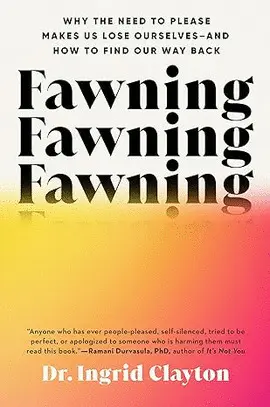
Fawning

Fawning

Ingrid S. Clay

From a clinical psychologist and expert in complex trauma recovery comes a powerful guide introducing fawning, an often-overlooked piece of the fight-flight-freeze reaction to trauma—explaining what it is, why it happens, and how to help survivors regain their voice and sense of self.Most of us are familiar with the three F's of trauma—fight, flight, or freeze. But psychologist...

Editorial:
Portfolio
Año de edición:
2025
Materia:
Autoayuda
ISBN:
979-8-217-17896-4
Q. 195
IVA incluido
No disponible
Añadir a favoritos Avisar disponibilidad

Sinopsis

From a clinical psychologist and expert in complex trauma recovery comes a powerful guide introducing fawning, an often-overlooked piece of the fight-flight-freeze reaction to trauma—explaining what it is, why it happens, and how to help survivors regain their voice and sense of self.

Most of us are familiar with the three F's of trauma—fight, flight, or freeze. But psychologists have identified a fourth, extremely common (yet little-understood) response: fawning. Often conflated with "codependency" or "people-pleasing," fawning occurs when we inexplicably draw closer to a person or relationship that causes pain, rather than pulling away.

Do you apologize to people who have hurt you?
Ignore their bad behavior?
Befriend your bullies?
Obsess about saying the right thing?
Make yourself into someone you're not . . . while seeking approval that may never come?

You might be a fawner.

Fawning explains why we stay in bad jobs, fall into unhealthy partnerships, and tolerate dysfunctional environments, even when it seems so obvious to others that we should go. And though fawning serves a purpose—it's an ingenious protective strategy in unsafe situations—it's a problem if it becomes a repetitive, compulsory reaction in our daily lives.

But here's the good news: we can break the pattern of chronic fawning, once we see it for the trauma response it is. Drawing on twenty years of clinical psychology work—as well as a lifetime of experience as a recovering fawner herself—Dr. Ingrid Clayton demonstrates WHY we fawn, HOW to recognize the signs of fawning (including taking blame, conflict avoidance, hypervigilance, and caretaking at the expense of ourselves), and WHAT we can do to successfully "unfawn" and finally be ourselves, in all our imperfect perfection.

Artículos relacionados

Complacer

Complacer

Ingrid Clayton

La primera guía sobre la cuarta respuesta al trauma que ayuda a quienes viven atrapados en el complacer para sobrevivir a recuperar su voz, a poner límites y a reconectar con su verdadera identidad. De la mano de una psicóloga clínica experta en recuperación de trauma complejo llega esta guía poderosa que introduce el concepto de c...

Disponible

Q. 200

No lo Dejes para Mañana

No lo Dejes para Mañana

Rob Dial

«El trabajo de Rob Dial ha ayudado a millones de personas a transformar su mentalidad y alcanzar sus metas. Al leer este libro, sabrás exactamente cómo crear la vida que siempre has querido». Hal Elrod, autor del bestseller Mañanas milagrosas Rob Dial, presentador del pódcast The Mindset Mentor y creador del método Level Up, revela la ciencia detrás de la concentración y la mot...

Disponible

Q. 230

Amiga, Sepárate Ya

Amiga, Sepárate Ya

Coral Herrera / Herrera, Coral

Escapar de las relaciones que lastiman es darle paso a la revolución amorosa, en la que aprendemos a ser leales a nosotras mismas y afrontamos, sin temor y con autocompasión, que ya no somos felices en esa relación. «¿Cómo le digo que me quiero separar?, ¿qué hago para reinventarme y disfrutar de mi tiempo libre?, ¿algún día volveré a sentirme disponible para el amor y la inti...

Disponible

Q. 180

Who We Are Becoming Matters

Who We Are Becoming Matters

Norma Kaweloku Wong

What makes us human? And why does it matter? Poetic and practical advice on who we are—and what we need to become—to move forward in togetherness and mutual responsibility in an age of uncertainty and climate chaos Zen and Indigenous Hawaiian wisdom for navigating the timeplace of collapse—the highly-anticipated follow-up to When No Thing WorksWith piercing clarity and poetic f...

Disponible

Q. 215

The Korean Art Of Living Well

The Korean Art Of Living Well

Dr Jenelle Kim

Tapping into the zeitgeist for all things Korean, Dr Kim shares the ancient wellbeing practice that has passed down to her through the Tao masters in her family.Discover the concepts behind the ancient Korean art of living meditation to find balance and happiness, resolve conflict calmly, walk through stress and let go of what is holding you back - all while living your dynamic...

Disponible

Q. 205

La Mentalidad del Amor

La Mentalidad del Amor

Williamson, Marianne

Marianne Williamson revela el poder transformador del amor según Un Curso de Milagros.EXPERIMENTA EL PODER DEL AMOR SIN LÍMITES. En Volver al amor, Marianne Williamson reveló cómo cada uno de nosotros puede convertirse en un obrador de milagros al expresar amor y perdón en nuestra vida cotidiana. Con La mentalidad del amor, Williamson explora el papel de la figura de Jesús en ...

Disponible

Q. 170

Otros libros del autor

Hiit

Hiit

Ingrid S. Clay

u003cbu003eGet the best results from your HIIT sessions by understanding the muscle action needed to perfect each exercise.u003c/bu003eu003cbru003eu003cbru003eExplore the physiology of all the essential HIIT exercises, spins, and sprints, to master each movement with confidence and control.u003cbru003e u003cbru003eRecent scientific research shows that HIIT is the most efficient...

No disponible

Q. 210