
0
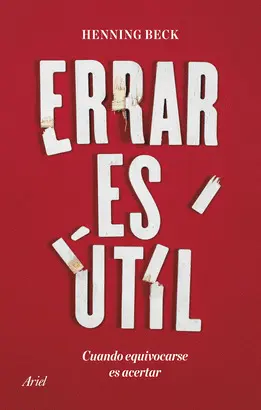
ERRAR ES ÚTIL

ERRAR ES ÚTIL

CUANDO EQUIVOCARSE ES ACERTAR

BECK, HENNING

Q. 240
IVA incluido
Disponible
Editorial:
ARIEL
Año de edición:
2019
Materia:
Autoayuda
ISBN:
978-84-344-3103-4
Páginas:
336
Encuadernación:
TAPA BLANDA
Colección:
ARIEL
Q. 240
IVA incluido
Disponible
Añadir a favoritos

Un elogio a nuestra imperfección como seres humanos y a la de nuestro cerebro.


Errar es útil no es solo el título de este libro, sino que, tras la lectura del mismo, se acaba convirtiendo en una idea o concepto imprescindible. Somos distraídos, imprecisos y olvidadizos, cometemos errores de cálculo y solemos organizar mal nuestro tiempo. Pero son justamente estos errores los que nos permiten tener nuevas ideas y tomar las decisiones acertadas.
En este ensayo inteligente, divertido y práctico, Henning Beck explica por qué las supuestas debilidades del cerebro son su arma secreta, por qué el mayor potencial de nuestro pensamiento a menudo radica en el error y cómo utilizar esta auténtica capacidad cerebral para pensar de una forma más creativa y eficaz. Por eso errar es útil. Por eso nos desconcentramos con facilidad. Por eso nos aburrimos. Estos tres aspectos entendidos como una metáfora de nuestra imperfección son en realidad estados que necesita asumir el cerebro para crear pensamiento. Cuanto más imperfecto seas, cuanto menos rutinario sea tu día a día, cuanto más te equivoques y cuanto más asumas y entiendas que todo esto es necesario para tu supervivencia y evolución, más flexible, adaptable y creativo te volverás.
Artículos relacionados

  • THE ATOMIC HABITS WORKBOOK
    THE ATOMIC HABITS WORKBOOK
    JAMES CLEAR
    Simple Exercises for Building the Life You Want An interactive guide to building good habits and breaking bad ones, based on the 25-million copy #1 New York Times bestseller Atomic Habits. The official companion to the #1 worldwide bestseller is the next step in your habits toolkit. Guided journal prompts will help you engage with your habits and the forces that impact them. Th...
    Disponible

    Q. 280

  • WISDOM TAKES WORK
    WISDOM TAKES WORK
    RYAN HOLIDAY
    In this much-anticipated final installment in the Stoic Virtues series, Ryan Holiday makes the case for the virtue on which all other virtues depend.Of all the stoic virtues - courage, discipline, justice, and wisdom - wisdom is the most elusive. This is especially apparent in an age where reaction and idle chatter are rewarded, and restraint and thoughtfulness are unfashionabl...
    Disponible

    Q. 190

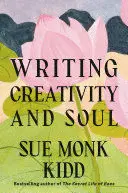
  • WRITING CREATIVITY AND SOUL
    WRITING CREATIVITY AND SOUL
    SUE MONK KIDD
    From the bestselling author of The Secret Life of Bees and The Book of Longings: an intimate work on the mysteries, frustrations, and triumphs of being a writer, and an instructive guide to awakening the soul.When Sue Monk Kidd was in high school, a home economics teacher wrote a list of potential occupations for women on the blackboard: teacher, nurse, librarian, secretary. "W...
    Disponible

    Q. 195

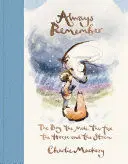
  • ALWAYS REMEMBER
    ALWAYS REMEMBER
    MACKESY, CHARLIE
    ‘One day you'll look back and realise how hard it was, and just how well you did'Charlie Mackesy's four unlikely friends are wandering through the wilds again. They're not sure what they are looking for. They do know that life can be difficult, but that they love each other, and cake is often the answer. When the dark clouds come, can the boy remember what he needs to get throu...
    Disponible

    Q. 250

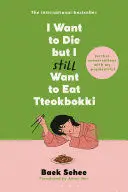
  • I WANT TO DIE BUT I STILL WANT TO EAT TTEOKBOKKI
    I WANT TO DIE BUT I STILL WANT TO EAT TTEOKBOKKI
    BAEK SEHEE
    Translated by International Booker shortlistee Anton Hur, the sequel to the phenomenal South Korean smash hit.Baek Sehee could never have predicted how many people I Want to Die but I Want to Eat Tteokbokki would reach across the world. A runaway international bestseller, this record of conversations with her therapist demonstrated the realities of anxiety and depression. But B...
    Único ejemplar, sujeto
    a disponibilidad

    Q. 200

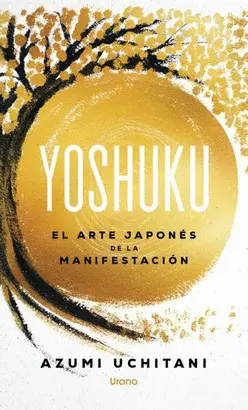
  • YOSHUKU
    YOSHUKU
    UCHITANI, AZUMI
    Durante una ceremonia en honor a sus antepasados, un monje budista le explicó a Azumi Uchitani que los cerezos más hermosos florecen tras haber soportado los climas más adversos. Gracias a las tormentas, los árboles se vuelven más resistentes y desarrollan raíces más profundas para sobrevivir. Lo mismo nos ocurre a los seres humanos: al recorrer nuestro camino y perseguir nuest...
    Disponible

    Q. 110