Saltar al contenido principal
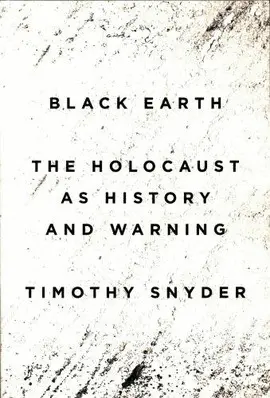
Black Earth : The Holocaust As History And Warning

Black Earth : The Holocaust As History And Warning

Timothy Snyder

A brilliant, haunting, and profoundly original portrait of the defining tragedy of our time. In this epic history of extermination and survival, Timothy Snyder presents a new explanation of the great atrocity of the twentieth century, and reveals the risks that we face in the twenty-first. Based on new sources from eastern Europe and forgotten testimonies from Jewish surv...

Editorial:
Signet
Año de edición:
2016
ISBN:
978-0-451-49737-6
Encuadernación:
OTROS
Q. 130
IVA incluido
No disponible
Añadir a favoritos Avisar disponibilidad

Sinopsis

A brilliant, haunting, and profoundly original portrait of the defining tragedy of our time. In this epic history of extermination and survival, Timothy Snyder presents a new explanation of the great atrocity of the twentieth century, and reveals the risks that we face in the twenty-first. Based on new sources from eastern Europe and forgotten testimonies from Jewish survivors, Black Earth recounts the mass murder of the Jews as an event that is still close to us, more comprehensible than we would like to think, and thus all the more terrifying. The Holocaust began in a dark but accessible place, in Hitler's mind, with the thought that the elimination of Jews would restore balance to the planet and allow Germans to win the resources they desperately needed. Such a worldview could be realized only if Germany destroyed other states, so Hitler's aim was a colonial war in Europe itself. In the zones of statelessness, almost all Jews died. A few people, the righteous few, aided them, without support from institutions. Much of the new research in this book is devoted to understanding these extraordinary individuals. The almost insurmountable difficulties they faced only confirm the dangers of state destruction and ecological panic. These men and women should be emulated, but in similar circumstances few of us would do so. By overlooking the lessons of the Holocaust, Snyder concludes, we have misunderstood modernity and endangered the future. The early twenty-first century is coming to resemble the early twentieth, as growing preoccupations with food and water accompany ideological challenges to global order. Our world is closer to Hitler's than we like to admit, and saving it requires us to see the Holocaust as it was -- and ourselves as we are. Groundbreaking, authoritative, and utterly absorbing, Black Earthreveals a Holocaust that is not only history but warning.

Artículos relacionados

100 Fragmentos del Mundo Clásico

100 Fragmentos del Mundo Clásico

Hernández De La Fuente, David

Un compendio fascinante de mitos, leyendas y realidades históricas¿Existió la ciudad de la Atlántida? ¿Pronunció Julio César las famosas palabras «¿Tú también, hijo?», antes de morir? A veces, la narración patrimonial y literaria difiere de los hechos. Así, este libro, escrito con afán divulgativo, pretende transitar por la delgada línea roja que separa los relatos de tintes le...

Disponible

Q. 150

Érase una Vez Tenochtitlán

Érase una Vez Tenochtitlán

Rosas, Alejandro

Aunque nos separan siete siglos, mexicas y chilangos compartimos un pasado común escrito sobre un lugar donde alguna vez hubo un lago. La historia de Tenochtitlán es el preludio de la historia de la Ciudad de México y ha llegado la hora de mirarla a través de sus dioses y tlatoanis. Este es un relato al más puro estilo de Game of Thrones, pero mexica y verídico, en el que, mie...

Único ejemplar, sujeto
a disponibilidad

Q. 190

Las Entrevistas de Núremberg

Las Entrevistas de Núremberg

Goldensohn, Leon

Un documento único: la transcripción de las conversaciones que mantuvo Leon Goldensohn, psiquiatra del Ejército Estadounidense, con los principales encausados en el proceso de Núremberg. En 1946, con los juicios de Núremberg en marcha, el psiquiatra del ejército estadounidense Leon Goldensohn recibió el encargo de entrevistar a dos docenas de líderes alemanes encausados, así co...

Disponible

Q. 390

Las Mujeres que Empuñaron la Espada

Las Mujeres que Empuñaron la Espada

Bendriss, Ernest Y.

Guerreras olvidadas. Heroínas silenciadas. Durante siglos, la historia de la guerra ha sido contada de forma casi exclusiva en masculino. Pero desde los campos de batalla de la Antigüedad hasta las trincheras de la Segunda Guerra Mundial, miles de mujeres empuñaron armas, lideraron ejércitos y combatieron en primera línea, ignorando los roles que sus tiempos les imponían. Un vi...

Disponible

Q. 275

El Temperamento Revolucionario

El Temperamento Revolucionario

Darnton, Robert

¿Qué llevó a Francia a la Revolución? Un ensayo excepcional sobre el temperamento responsable de cambiar el curso de la Historia. «Este libro es, sencillamente, un festín que, gracias a su magnífica narración, es fácil de digerir». Gerard de Groot, The Times Cuando una multitud asaltó la Bastilla en julio de 1789, se cerró una etapa histórica y nació un mundo nuevo. La mayoría ...

Disponible

Q. 470

Fernando el Católico

Fernando el Católico

Belenguer, Ernest

La cara oculta, tras la larga sombra de Isabel, del reinado que reconfiguró el mapa político del mundo e inauguró el Renacimiento.En 1469, Isabel I de Castilla y Fernando II de Aragón contrajeron matrimonio tras firmar las Capitulaciones de Cervera, mucho más favorables para Isabel que para Fernando. De alguna manera, el espíritu de ese acuerdo ha llegado hasta la historiograf...

Disponible

Q. 200

Otros libros del autor

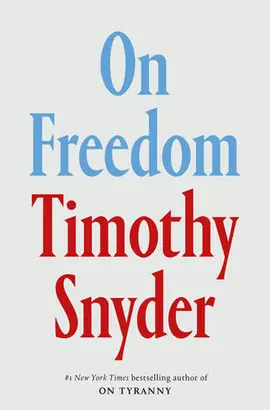
On Freedom

On Freedom

Timothy Snyder

"A brilliant exploration of freedom-what it is, how it's been misunderstood, and why it's our only chance for survival-by the acclaimed Yale historian and author of the #1 New York Times bestseller On Tyranny"-...

Único ejemplar, sujeto
a disponibilidad

Q. 220

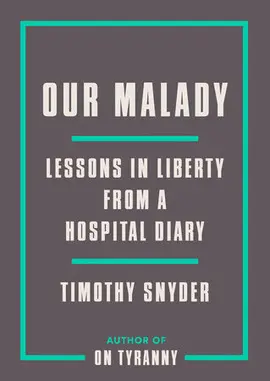
Our Malady

Our Malady

Timothy Snyder

NEW YORK TIMES BESTSELLER • From the author of the #1 New York Times bestseller On Tyranny comes an impassioned condemnation of America's pandemic response and an urgent call to rethink health and freedom.On December 29, 2019, historian Timothy Snyder fell gravely ill. Unable to stand, barely able to think, he waited for hours in an emergency room before being correctly diagnos...

Disponible

Q. 130

On Tyranny: Twenty Lessons From The Twentieth Century

On Tyranny: Twenty Lessons From The Twentieth Century

Timothy Snyder

"The Founding Fathers tried to protect us from the threat they knew, the tyranny that overcame ancient democracy. [The author believes that] today, our political order faces new threats, not unlike the totalitarianism of the twentieth century. We are no wiser than the Europeans who saw democracy yield to fascism, Nazism, or communism. Our one advantage is that we might learn fr...

Disponible

Q. 120

The Road To Unfreedom

The Road To Unfreedom

Timothy Snyder

With the end of the Cold War, the victory of liberal democracy seemed final. Observers declared the end of history, confident in a peaceful, globalized future. This faith was misplaced. Authoritarianism returned to Russia, as Putin found fascist ideas that could be used to justify rule by the wealthy. In the 2010s, it has spread from east to west, aided by Russian warfare in Uk...

Disponible

Q. 130

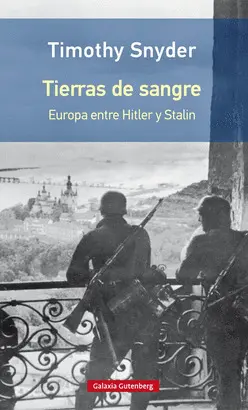
Tierras de Sangre

Tierras de Sangre

Timothy Snyder

Es sabido que la Alemania nazi asesinó cerca de seis millones de judíos. Lo que no lo es tanto es que, junto al horror del Holocausto, los regímenes de Hitler y de Stalin asesinaron a otros ocho millones de civiles, la mayoría mujeres, niños y ancianos, solo en lo que Timothy Snyder denomina las «Tierras de Sangre».Se suele identificar el horror del siglo xx con los campos de c...

No disponible

Q. 200

El Príncipe Rojo

El Príncipe Rojo

Timothy Snyder

Una hora antes de la medianoche del dia 18 de agosto de 1948, un coronel ucraniano yacía muerto en una prisión soviética de Kiev. Había sido espía en Viena, trabajando primero contra Hitler durante la Segunda Guerra Mundial y, después, contra Stalin en los primeros años de la guerra fría. Había eludido la Gestapo, pero no el contraespionaje soviético. Un día, el coronel ucrania...

No disponible

Q. 210