Saltar al contenido principal
More

More

The 10,000-Year Rise Of The World Economy

Philip Coggan

Where did all this stuff come from? There are seventeen ingredients in a typical tube of toothpaste, from titanium dioxide to xanthum gum, and that's not counting the tube. Everything had to come from somewhere and someone had to bring it all together. The humblest household product reveals a web of enterprise that stretches around the globe. More is the story of how we spun th...

Editorial:
Profile Books
Año de edición:
2020
Materia:
Economía
ISBN:
978-1-78125-808-8
Páginas:
466
Q. 290
IVA incluido
No disponible
Añadir a favoritos Avisar disponibilidad

Sinopsis

Where did all this stuff come from? There are seventeen ingredients in a typical tube of toothpaste, from titanium dioxide to xanthum gum, and that's not counting the tube. Everything had to come from somewhere and someone had to bring it all together. The humblest household product reveals a web of enterprise that stretches around the globe. More is the story of how we spun that web. It begins with the earliest glimmerings of long-distance trade - obsidian blades that made their way from what is now Turkey to the Iran-Iraq border 7,000 years before Christ - and ends with the current Sino-American trade war. On such a grand scale, quirks of historical perspective leap out: futures contracts and commercial branding are among the many seemingly modern components of the global economy that have existed since ancient times. Yet it was only in the eighteenth century that a cascade of innovations began to drive up prosperity in a lasting way around the world. To piece this fascinating saga together, Philip Coggan takes the reader inside medieval cottages and hi-tech hydroponic farms, prehistoric Chinese burial mounds and modern central banks. At every step of our journey, he finds that it was connections between people that created our wealth. This gradual expansion of the human network brought us more of what we wanted, more of what we needed and more of what we never imagined. Will the same openness continue to serve us in the twenty-first century?

Artículos relacionados

2008

2008

Sorkin, Andrew Ross

«Asombrosa y rica en detalles, la narración de Sorkin sobre la épica crisis financiera de 2008 es un logro extraordinario que será difícil de superar.»The Financial Times Poco después del colapso financiero de 2008, Andrew Ross Sorkin ofreció el primer relato exhaustivo y desde dentro de una de las mayores crisis económicas de la historia contemporánea. Con acceso sin precedent...

Disponible

Q. 310

La Riqueza y la Pobreza de las Naciones

La Riqueza y la Pobreza de las Naciones

David S. Landes

El historiador económico David S. Landes explora la larga y fascinante historia de la riqueza y el poder en todo el mundo En La riqueza y la pobreza de las naciones, David S. Landes, quien fue profesor de la Universidad de Harvard, nos lleva a explorar uno de los mayores problemas que se han planteado hasta hoy los historiadores: ¿Por qué unas naciones son tan ricas y otras tan...

Disponible

Q. 310

Por qué Fracasan los Países

Por qué Fracasan los Países

Acemoglu, Daron / James M.robinson

¿Qué determina que un país sea rico o pobre? ¿Cómo se explica que, en condiciones similares, en algunos países haya hambrunas y en otros no? ¿Qué papel juega la política en estas cuestiones?Nogales (Arizona) y Nogales (Sonora) tienen la misma población, cultura y situación geográfica. ¿Por qué una es rica y otra pobre? ¿Por qué Botsuana es uno de los países africanos con mayor ...

Disponible

Q. 125

Déficit

Déficit

Holten, Emma

Un inusual y ameno ensayo que desde el feminismo cuestiona el pensamiento económico actual para poner los cuidados y la calidad de vida de todos en el centro.En 2020 Emma Holten leyó un artículo que afirmaba que las mujeres representaban un déficit neto para la sociedad porque recibían más de lo que daban, drenando las arcas públicas al dar a luz o al trabajar a tiempo parcial,...

Disponible

Q. 260

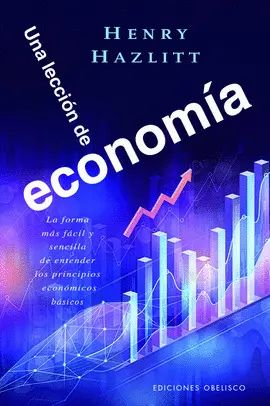
Una Lección de Economía

Una Lección de Economía

Henry Hazlitt

La forma más fácil y sencilla de entender los principios económicos básicos Si alguna vez te prometieron prosperidad «rompiendo cristales», subiendo impuestos o «creando empleo» a golpe de gasto, este libro es para ti. Hazlitt te enseña a mirar dos veces: primero lo que se ve y luego lo que no se ve. Con una prosa directa y ejemplos que no olvidarás -del escaparate destrozado ...

Disponible

Q. 195

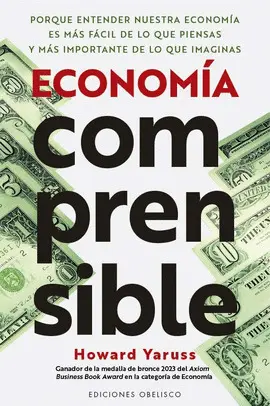
Economía Comprensible

Economía Comprensible

Yaruss, Howard

Porque entender nuestra economía es más fácil de lo que piensas y más importante de lo que imaginas ¿Y si entender la economía fuera mucho más sencillo de lo que crees? En estas páginas puedes aprender a observar el sistema real -no los eslóganes- para identificar qué funciona y por qué. Con ejemplos cotidianos, una historia clara y sentido común, descubrirás cómo se decide ...

Disponible

Q. 205

Otros libros del autor

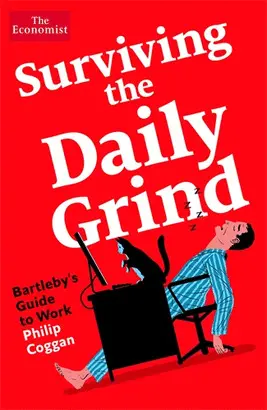
Surviving The Daily Grind

Surviving The Daily Grind

Philip Coggan

"We spend a lot of our time at work and would be depressed with nothing to do. But when it gets to Monday, many of us are already longing for the weekend and the prospect of escape. How did work become so tedious and stressful? And is there anything we can do to make it better? Based on his popular Economist Bartleby column, Philip Coggan rewrites the rules of work to help us s...

Disponible

Q. 150

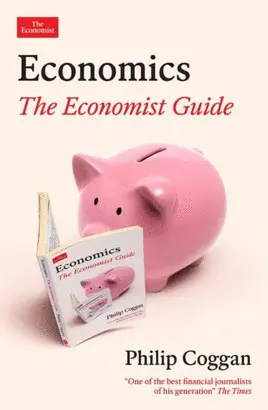
Economics: The Economist Guide (Paperback)

Economics: The Economist Guide (Paperback)

Philip Coggan

The definitive Economist guide to the world of economicsFrom its humble beginnings in Ancient Greece to today's mammoth global system, economics is all around us.Getting to grips with what it means is crucial to understanding how the world works: it's never been more important to know your macro from your micro and your fiscal from your monetary policy.In this invaluable guide,...

Disponible

Q. 160

More

More

Philip Coggan

Where did all this stuff come from? There are seventeen ingredients in a typical tube of toothpaste, from titanium dioxide to xanthum gum, and that's not counting the tube. Everything had to come from somewhere and someone had to bring it all together. The humblest household product reveals a web of enterprise that stretches around the globe. More is the story of how we spun th...

No disponible

Q. 200

Paper Promises: Debt, Money, And The New World Order

Paper Promises: Debt, Money, And The New World Order

Philip Coggan

For the past forty years western economies have splurged on debt. Now, as the reality dawns that many debts cannot be repaid, we find ourselves again in crisis. But the oncoming defaults have a time-worn place in our economic history. As with the crises in the 1930s and 1970s, governments will fall, currencies will lose their value, and new systems will emerge. Just as Britain ...

No disponible

Q. 275