Saltar al contenido principal
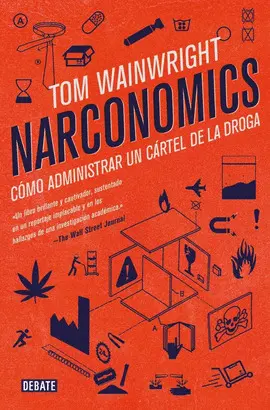
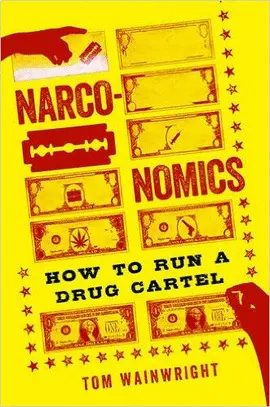
Narconomics

Narconomics

Wainwright, Tom

This is a unique look into the huge and fascinating multi-billion dollar international drug industry. Rather than reporting it as a "war," Wainwight looked at the drug trade as a business, with a quarter billion customers and worldwide revenues of about $300 billion a year—with similar concerns as any Fortune 500 business, such as human resources, outsourcing and corporate soci...

Editorial:
Public Affairs
ISBN:
978-1-61039-583-0
Q. 290
IVA incluido
No disponible
Añadir a favoritos Avisar disponibilidad

Sinopsis

This is a unique look into the huge and fascinating multi-billion dollar international drug industry. Rather than reporting it as a "war," Wainwight looked at the drug trade as a business, with a quarter billion customers and worldwide revenues of about $300 billion a year—with similar concerns as any Fortune 500 business, such as human resources, outsourcing and corporate social responsibility.

Some of Wainwight's insights to help turn the way we think about the war on drugs on its head include:

•Supply and demand. Drug cartels, as monopoly-buyers, use tactics like forcing their suppliers, the farmers, to absorb price shocks when coca fields are eradicated, rather than absorb it themselves.

•Research and development. The cartels have invested in innovative ways to increase yield from coca plants; so even though less coca is now grown, it yields more cocaine, thus keeping the supply chain in good shape.

•Mergers and acquisitions. Why the violence and bloody battles of the Mexican cartels have been generated by opportunistic takeover attempts.

•Competition and collusion. Why the mafias running El Salvador's drug gangs realized that violent competition was hurting profits and opted for a strategy of collusion.

•Social responsibility. How cartels "give back" to society by meeting social needs that governments have been unable to satisfy.

•Media relations. How dedicated "press officers" communicate with (and threaten) local journalists to secure the kind of coverage the cartel wants and use the media to send intimidating messages to their rivals

•Human resource models. How cartels, in a business with a high turnover of personnel because of all the killing use prisons as employment agencies and training academies to ensure a steady stream of new recruits for jobs that are risky and don't pay particularly well.

•Franchising. Lessons the cartels have learned from some of Fortune 500's restaurant business'.

Using classical economics and modern business theory to explain why drug cartels work in the way they do and based seven years of reporting in more than a dozen countries, Wainwright provides fascinating, humorous and novel insights into a multibillion-dollar worldwide industry and provides an innovative blueprint to address the drug problem, as well as a range of other criminal activities. If mobsters think like businessmen, law enforcers can thwart them by learning to think like economists.

Artículos relacionados

El Líder Sistemico

El Líder Sistemico

Robert E. Siegel

El profesor de la Escuela de Negocios de Stanford y consultor de algunos de los CEO más grandes e innovadores de la actualidad comparte un plan revolucionario que les enseña a los líderes a dominar las presiones cruzadas del mundo en que vivimos: ejecutar al mismo tiempo que innovar, pensar en los asuntos locales y globales, además de proyectar ambición y diplomacia por igual....

Disponible

Q. 180

Managing Up

Managing Up

Wilding, Melody

¿TE SIENTES VULNERABLE A LOS CAPRICHOS DE TU SUPERIOR? ¿TE FRUSTRAN LAS POLÍTICAS INTERNAS, te microgestionan, te interrumpen en las reuniones, te sobrecargan con trabajo pesado o no te consideran para los ascensos? ¿Vives cada día con una ansiedad que no desaparece?... Pero ¿y si hubiera otra manera? ¿Y si pudieras enseñar sutilmente a tus superiores a valorar tus ideas y a tr...

Disponible

Q. 180

El Arte de Gastar Dinero

El Arte de Gastar Dinero

Housel, Morgan

Tras ayudar a millones de personas a replantearse su relación con el dinero, cómo ganarlo, ahorrarlo e invertirlo, Morgan Housel nos invita ahora a reflexionar sobre algo igual de importante: aprender a gastar con sentido.El mayor retorno de una inversión no es económico, es la tranquilidad. Sin embargo, a menudo gastamos ese dinero en cosas inútiles, más preocupados por la ima...

Disponible

Q. 180

Buffettología

Buffettología

Buffett, Mary / Clark, David

En el mundo de la inversión, el nombre de Warren Buffett ha sido sinónimo de éxito y beneficios. A sus noventa años, el hombre que convirtió 105.000 dólares en 20.000 millones sigue siendo el modelo a seguir y, hasta la fecha, su metodología había sido un misterio. Este libro revela desde una perspectiva privilegiada la pregunta más formulada en Wall Street: ¿cómo, dónde y cuán...

Disponible

Q. 170

El Hábito de Invertir

El Hábito de Invertir

Maggiulli, Nick

El fenómeno editorial avalado por James Clear y Morgan Housel que te permitirá hacer crecer tu dinero desde hoy. Cuando se trata de dinero, todos dudamos de cuál es la mejor forma de gestionarlo. El objetivo: vivir bien y al mismo tiempo seguir enriqueciéndonos. Entonces, ¿cuánto ahorrar? ¿Qué riesgos tomar? ¿Es endeudarse la mejor opción? ¿Cuándo y en qué invertir? Nick Maggiu...

Disponible

Q. 200

Click

Click

Knapp, Jake / John Zeratsky

¿La gente realmente quiere lo que estás creando? ¿Tu producto hace click con los clientes? Una guía para empezar un proyecto de manera inteligente, basada en la experiencia de los autores con algunas de las startups más exitosas del momento. Todo gran proyecto -ya sea crear una nueva tecnología, lanzar un modelo de zapatillas o abrir una cafetería de barrio- requiere una gran ...

Disponible

Q. 140

Otros libros del autor

Narconomics: How To Run a Drug Cartel
No disponible

Q. 170