Saltar al contenido principal
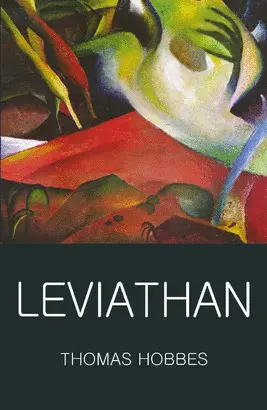
Leviathan

Leviathan

Hobbes, Thomas

Since its first publication in 1651, Thomas Hobbes's Leviathan has been recognised as one of the most compelling, and most controversial, works of political philosophy written in English. Forged in the crucible of the civil and religious warfare of the mid-seventeenth century, it proposes a political theory that combines an unequivocal commitment to natural human liberty with t...

Editorial:
Wordsworth
ISBN:
978-1-84022-733-8
Q. 80
IVA incluido
No disponible
Añadir a favoritos Avisar disponibilidad

Sinopsis

Since its first publication in 1651, Thomas Hobbes's Leviathan has been recognised as one of the most compelling, and most controversial, works of political philosophy written in English. Forged in the crucible of the civil and religious warfare of the mid-seventeenth century, it proposes a political theory that combines an unequivocal commitment to natural human liberty with the conviction that the sovereign power of government must be exercised absolutely.

Leviathan begins from some shockingly naturalistic starting-points: an analysis of human nature as being motivated by vain-glory and pride, and a vision of religion as simply the fear of invisible powers made up by the mind. Yet from these deliberately unpromising elements, Hobbes constructs with unparalleled forcefulness an elaborate, systematic, and comprehensive account of how political society ought to be: ordered, law-bound, peaceful.

In Leviathan, Hobbes presents us with a portrait of politics which depicts how a state that is made up of the unified body of all its citizens will be powerful, fruitful, protective of each of its members, and - above all - free from internal violence.

Artículos relacionados

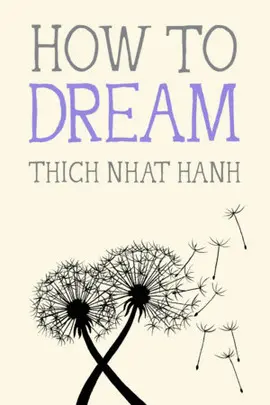
How To Dream

How To Dream

Nhat Hanh, Thich

In the final book of the best-selling Mindfulness Essentials series, Zen Master Thich Nhat Hanh shows us how to realize our dreams in this very moment.We all want our lives to be useful and meaningful. The aspiration to transform suffering—our own, each other's, and the Earth's—can give us the energy we need to continue on a wholesome path. In How to Dream, Thich Nhat Hanh expl...

Disponible

Q. 110

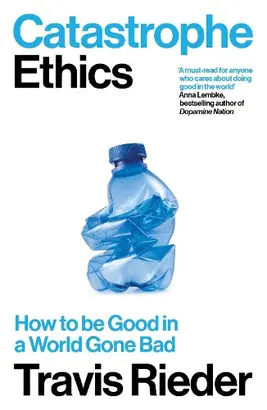
Catastrophe Ethics

Catastrophe Ethics

Travis Rieder

Philosopher Travis Rieder outlines a new ethics for the age of humanmade catastrophe. We are all asking, in a hyperglobalised world hurtling towards environmental destruction: how do we determine the right actions? Do our individual efforts to avoid plastic or air travel, or to drive electric, make any real difference? We urgently need to expand our ethical toolkit. The mental ...

Disponible

Q. 130

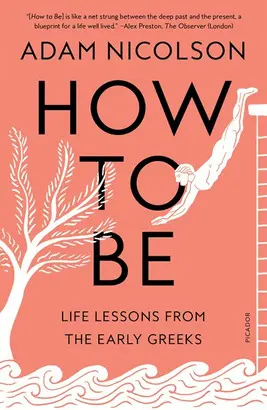
How To Be

How To Be

Adam Nicolson

Nicolson crafts a geography of the ancient world and a brilliant exploration of our connections to the past.What is the nature of things?What is justice? How can I be myself?How should we treat each other?Before the Greeks, the idea of the world was dominated by god-kings and their priests. Twenty-five hundred years ago, in a succession of small eastern Mediterranean harbor cit...

Disponible

Q. 230

The Invention Of Good And Evil

The Invention Of Good And Evil

Sauer, Hanno

For almost five million years, humans have been locked in a relationship with morality, inventing and reinventing the concepts of 'Good' and 'Evil', and weaving them into our cities, laws and customs. Morality is often associated with restraint and coercion; restriction and sacrifice; inquisition, confession and a guilty conscience. Joyless and claustrophobic, it is a device us...

Disponible

Q. 340

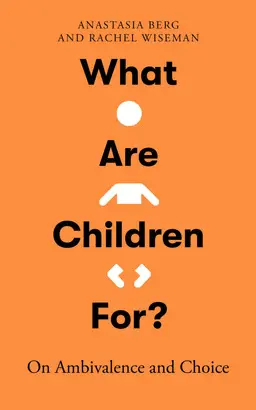
What Are Children For?

What Are Children For?

Anastasia Berg / Wise, Rachel

Having children is one of the biggest decisions you'll make in your life. Increasingly, we aren't making it at all. A NEW STATESMAN BEST BOOK OF 2024 'A book for lovers of sound reasoning.' THE NEW YORKER Across the developed world, fewer and fewer people are becoming parents. We seek self-fulfilment; we want women to find meaning and self-worth outside the household; we wish t...

Disponible

Q. 310

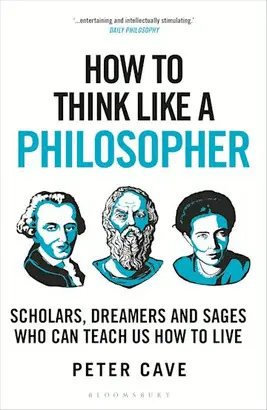
How To Think Like a Philosopher

How To Think Like a Philosopher

Peter Cave

An entertaining guide to history's most fascinating philosophers - from Sappho to Kant, and Aristotle to Simone de Beauvoir - which seeks to help us answer life's big questions.In showing how the great philosophers of human history lived and thought - and what they thought about - Peter Cave provides an accessible and enjoyable introduction to thinking philosophically and how i...

Disponible

Q. 130

Otros libros del autor

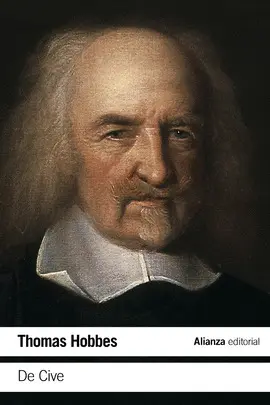
De Cive

De Cive

Hobbes, Thomas

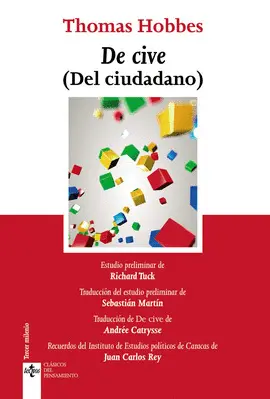
Publicados por Thomas Hobbes en 1642, los «Elementos filosóficos sobre el ciudadano», más conocidos por su subtítulo "De Cive", formaban parte, junto a "De Corpore" y "De Homine", de un ambicioso proyecto: un tratado sistemático en el que se recogiera lo esencial del conocimiento humano. La investigación de Hobbes se dirige en esta obra a determinar los derechos de los Estados ...

Disponible

Q. 170

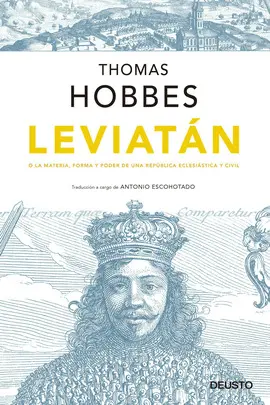
Leviatán

Leviatán

Hobbes, Thomas

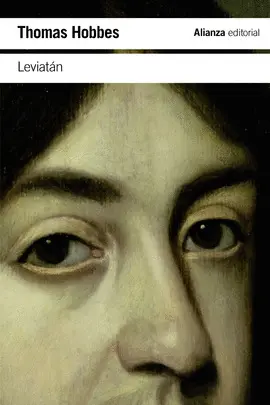
Con su mirada sombría y realista, Leviatán se ha convertido en uno de los textos más importantes para entender la política occidental. Escrito en un tiempo convulso, durante la guerra civil inglesa, expone con crudeza la naturaleza del ser humano: egoísta, competitiva y siempre temerosa del mayor de los males, la muerte violenta. En su estado natural, opina Hobbes, los hombres...

No disponible

Q. 310

Leviatán

Leviatán

Hobbes, Thomas

Obra capital del pensamiento político occidental, el " Leviatán, o La materia, forma y poder de un estado eclesiástico y civil " contiene la teoría del Estado de Thomas Hobbes, concebido metafóricamente como la gran bestia bíblica, máquina poderosa y monstruo devorador de los individuos. El Estado hobbesiano lo decide todo: es un sistema que representa la concepción autoritar...

No disponible

Q. 210

De Cive

De Cive

Hobbes, Thomas

En un momento como el actual en el que los cimientos de la cultura política moderna se evidencian cuestionados y sometidos al juicio de unos hechos que parecen negarlos con fuerza, resulta más necesario que nunca poner en claro las raíces de la modernidad política. Este es el motivo que ha llevado a quienes hacen Clásicos del Pensamiento de Tecnos, a publicar una nueva edición ...

No disponible

Q. 290

El Cuerpo

El Cuerpo

Hobbes, Thomas

«Quien haya ido más allá de los textos políticos de Thomas Hobbes, quien haya leído con detenimiento los trece primeros capítulos de los Elements of Law, las Terceras objeciones a las Meditaciones de Descartes, el Anti-White, los nueve primeros capítulos del Leviatán, o el capítulo décimo del De Homine, por no mencionar el De Corpore, se habrá sentido sin duda zarandeado intele...

No disponible

Q. 500

Leviatán

Leviatán

Hobbes, Thomas

Obra capital del pensamiento político occidental, el Leviatán o la materia, forma y poder de un estado eclesiástico y civil contiene la teoría del Estado de Thomas Hobbes, concebido metafóricamente como la gran bestia bíblica, máquina poderosa y monstruo devorador de los individuos. El Estado hobbesiano lo decide todo: es un sistema que representa la concepción autoritaria y ab...

No disponible

Q. 505