Saltar al contenido principal
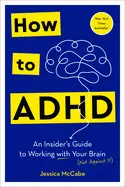
How To Adhd
-15%

How To Adhd

An Insider's Guide To Working With Your Brain (Not Against It)

Jessica Mccabe

NEW YORK TIMES BESTSELLER • In this honest, friendly, and shame-free guide, the creator of the award-winning YouTube channel How to ADHD shares the hard-won insights and practical strategies that have helped her survive, even thrive, in a world not built for her brain."The world of ADHD has been waiting for this book with bated breath for many years. If there's a fairy godmothe...

Editorial:
Penguin
Año de edición:
2024
ISBN:
978-0-593-57894-0
Páginas:
464
Q. 230
Q. 196
IVA incluido
No disponible
Añadir a favoritos Avisar disponibilidad

Sinopsis

NEW YORK TIMES BESTSELLER • In this honest, friendly, and shame-free guide, the creator of the award-winning YouTube channel How to ADHD shares the hard-won insights and practical strategies that have helped her survive, even thrive, in a world not built for her brain.

"The world of ADHD has been waiting for this book with bated breath for many years. If there's a fairy godmother of our lot, it's Jessica McCabe."—Edward Hallowell, MD, coauthor of Driven to Distraction and ADHD 2.0

Forget "try harder." When your brain works differently, you need to try different.

Diagnosed with ADHD at age twelve, Jessica struggled with a brain that she didn't understand. She lost things constantly, couldn't finish projects, and felt like she was putting more effort in than everyone around her while falling further and further behind. At thirty-two years old—broke, divorced, and living with her mom—Jessica decided to look more deeply into her ADHD challenges. She reached out to experts, devoured articles, and shared her discoveries on YouTube.

In How to ADHD, Jessica reveals the tools that have changed her life while offering an unflinching look at the realities of living with ADHD. The key to navigating a world not built for the neurodivergent brain, she discovered, isn't to fix or fight against its natural tendencies but to understand and work with them. She explains how ADHD affects everyday life, covering executive function impairments, rejection sensitivity, difficulties with attention regulation, and more. You'll also find ADHD-specific strategies for adapting your environment, routines, and systems, including:

• Boost the signal and decrease the noise. Facilitate focus by putting your goals where you can see them and fighting distractions with distractions.
• Have less stuff to manage. Learn why you have trouble planning and prioritizing, and why doing more starts with doing less.
• Build your "time wisdom." Work backward when you plan, and track how long it actually takes you to do something.
• Learn about your emotions. Understand how naming your emotions and letting yourself experience them can make them easier to regulate.

With quotes from Jessica's online community, chapter summaries, and reading shortcuts designed for the neurodivergent reader, How to ADHD will help you recognize your strengths and challenges, tackle "bad brain days," and be kinder to yourself in the process.

Artículos relacionados

A World Appears -15%

A World Appears

Michael Pollan

From the #1 New York Times bestselling author of How to Change Your Mind, a panoptic exploration of consciousness—what it is, who has it, and why—and a meditation on the essence of our humanityWhen it comes to the phenomenon that is consciousness, there is one point on which scientists, philosophers, and artists all agree: it feels like something to be us. Yet the fact that we ...

Disponible
Q. 350

Q. 298

The Social Paradox -15%

The Social Paradox

Hippel, William Von

A Next Big Idea Club Must Read of February 2025 From the author of The Social Leap comes this thought-provoking exploration into humans' two core evolutionary needs, for connection and autonomy, how the modern world has thrown them out of whack, and how we can rebalance them to improve our lives. Why do people who have so much--leading comfortable lives filled with unpreceden...

Único ejemplar, sujeto
a disponibilidad
Q. 310

Q. 264

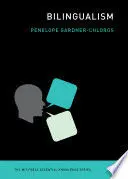
Bilingualism -15%

Bilingualism

Penelope Gardner-Chloros

All about bilingualism, in science and in life: the benefits and controversies, the individual experience, and the social significance.Nearly half the world's people are bilingual, but many have no clear understanding of what—aside from being fluent in more than one language—bilingualism means. This lively introduction by linguist Penelope Gardner-Chloros covers everything a bi...

Único ejemplar, sujeto
a disponibilidad
Q. 180

Q. 153

Life In Three Dimensions -15%

Life In Three Dimensions

Shigehiro Oishi

A NEXT BIG IDEA CLUB MUST-READ BOOK • From one of our foremost psychologists, a trailblazing book that turns the idea of a good life on its head and urges us to embrace the transformative power of variety and experienceFor many people, a good life is a stable life, a comfortable life that follows a well-trodden path. This is the case for Shigehiro Oishi's father, who has lived ...

Disponible
Q. 195

Q. 166

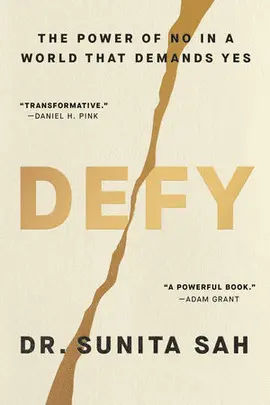
Defy -15%

Defy

Dr. Sunita Sah

Why is it so hard to speak up, even when we know something's wrong?This is the definitive book on defiance, a clear-eyed dissection of the forces that silence us, featuring groundbreaking research and legendary stories alongside everyday examples and strategies for how to unleash the power of a "True No."Many of us comply much more than we realize. How many times have you wante...

Disponible
Q. 310

Q. 264

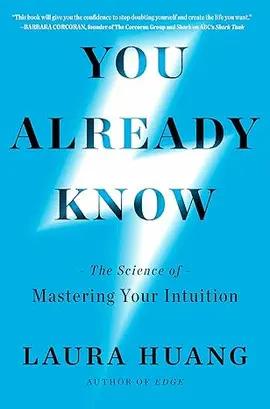
You Already Know -15%

You Already Know

Laura Huang

From celebrated business school professor and author of Edge, a research-backed framework for honing and harnessing your intuition to make the right decisions and attain greater levels of achievement.What sets the most successful people apart? You may think that the correct answer is hard work (and it's certainly part of it), but in her interviews of the most accomplished indiv...

Disponible
Q. 195

Q. 166

Otros libros del autor

Vivir con Tdah -15%

Vivir con Tdah

Jessica Mccabe

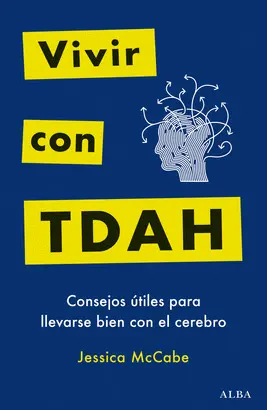
Jessica McCabe, diagnosticada a los doce años con déficit de atención, luchaba contra un cerebro que no entendía. Perdía cosas constantemente, no podía terminar proyectos y sentía que se esforzaba más que los demás niños mientras se quedaba cada vez más atrás. A los treinta y dos años, divorciada, sin dinero y viviendo con su madre, decidió analizar profundamente las dificultad...

No disponible
Q. 330

Q. 281