Saltar al contenido principal
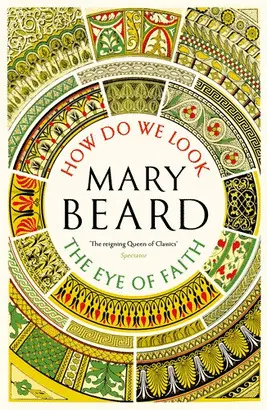
Civilisations: How Do We Look / The Eye Of Faith

Civilisations: How Do We Look / The Eye Of Faith

Mary Beard

Companion to the major new BBC documentary series CIVILISATIONS, presented by Mary Beard, David Olusoga and Simon SchamaThe idea of 'civilisation' has always been debated, even fought over. At the heart of those debates lies the big question of how people - from prehistory to the present day - have depicted themselves and others, both human and divine. Distinguished historian M...

Editorial:
Profile Books
ISBN:
978-1-78125-999-3
Q. 100
IVA incluido
No disponible
Añadir a favoritos Avisar disponibilidad

Sinopsis

Companion to the major new BBC documentary series CIVILISATIONS, presented by Mary Beard, David Olusoga and Simon Schama

The idea of 'civilisation' has always been debated, even fought over. At the heart of those debates lies the big question of how people - from prehistory to the present day - have depicted themselves and others, both human and divine. Distinguished historian Mary Beard explores how art has shaped, and been shaped by, the people who created it. How have we looked at these images? Why have they sometimes been so contentious?

In Part One, she examines how the human figure was portrayed in some of the earliest art in the world - from the gigantic stone heads carved by the Olmec of Central America to the statues and pottery of the ancient Greeks to the terracotta army of the first emperor of China. And she explains how one particular version of representing the human body, which goes back to the ancient world, still influences (and sometimes distorts) how people in the West see their own culture and that of others. Throughout this story, she is concerned not only with the artists who made images, but with those who have used them, viewed them and interpreted them. In other words: How Do We Look?

In Part Two, Mary Beard turns to the relationship between art and religion. For centuries, religion has inspired art: from the Hindu temple at Angkor Wat to the Christian mosaics of Ravenna to the exquisite calligraphy of Islamic mosques. But making the divine visible in the human world has never been simple. All religions have wrestled with idolatry and iconoclasm, destroying art as well as creating it - and asking how to look with The Eye of Faith.

Artículos relacionados

100 Fragmentos del Mundo Clásico

100 Fragmentos del Mundo Clásico

Hernández De La Fuente, David

Un compendio fascinante de mitos, leyendas y realidades históricas¿Existió la ciudad de la Atlántida? ¿Pronunció Julio César las famosas palabras «¿Tú también, hijo?», antes de morir? A veces, la narración patrimonial y literaria difiere de los hechos. Así, este libro, escrito con afán divulgativo, pretende transitar por la delgada línea roja que separa los relatos de tintes le...

Disponible

Q. 150

Érase una Vez Tenochtitlán

Érase una Vez Tenochtitlán

Rosas, Alejandro

Aunque nos separan siete siglos, mexicas y chilangos compartimos un pasado común escrito sobre un lugar donde alguna vez hubo un lago. La historia de Tenochtitlán es el preludio de la historia de la Ciudad de México y ha llegado la hora de mirarla a través de sus dioses y tlatoanis. Este es un relato al más puro estilo de Game of Thrones, pero mexica y verídico, en el que, mie...

Único ejemplar, sujeto
a disponibilidad

Q. 190

Lecciones de la Historia

Lecciones de la Historia

Morin, Edgar

Edgar Morin reflexiona sobre el sentido de la historia a sus 104 años. Tras haber vivido las atrocidades de la guerra y las convulsiones económicas y ecológicas del último siglo, el reputado filósofo y sociólogo francés Edgar Morin reflexiona sobre el devenir de las civilizaciones para extraer lecciones que explican el pasado y nos ayudan a construir el futuro. Lo improbable pu...

Disponible

Q. 205

El Temperamento Revolucionario

El Temperamento Revolucionario

Darnton, Robert

¿Qué llevó a Francia a la Revolución? Un ensayo excepcional sobre el temperamento responsable de cambiar el curso de la Historia. «Este libro es, sencillamente, un festín que, gracias a su magnífica narración, es fácil de digerir». Gerard de Groot, The Times Cuando una multitud asaltó la Bastilla en julio de 1789, se cerró una etapa histórica y nació un mundo nuevo. La mayoría ...

Disponible

Q. 470

Fernando el Católico

Fernando el Católico

Belenguer, Ernest

La cara oculta, tras la larga sombra de Isabel, del reinado que reconfiguró el mapa político del mundo e inauguró el Renacimiento.En 1469, Isabel I de Castilla y Fernando II de Aragón contrajeron matrimonio tras firmar las Capitulaciones de Cervera, mucho más favorables para Isabel que para Fernando. De alguna manera, el espíritu de ese acuerdo ha llegado hasta la historiograf...

Disponible

Q. 200

Lepanto

Lepanto

Gullo Omodeo, Marcelo

Un libro valiente que reivindica la batalla de Lepanto como el hito que salvó a Europa de la islamización.Marcelo Gullo vuelve con un libro valiente que reivindica la famosa y épica batalla naval de Lepanto como el hito que salvó a Europa de la islamización. El 7 de octubre de 1571 tuvo lugar uno de los enfrentamientos entre musulmanes y cristianos más importantes de la Histori...

Disponible

Q. 285

Otros libros del autor

El Coliseo

El Coliseo

Mary Beard

Dos destacados historiadores clásicos cuentan la historia del mayor anfiteatro de Roma, un monumento visitado por dos millones de personas al año.La Roma imperial fue un estado guerrero. El Coliseo (inaugurado en el año 80 d.C.) fue el monumento de Roma a la guerra. Como una catedral de la muerte, se alzaba sobre la ciudad e invitaba a sus ciudadanos, 50,000 a la vez, a presenc...

Único ejemplar, sujeto
a disponibilidad

Q. 160

Spqr

Spqr

Mary Beard

A sweeping, revisionist history of the Roman Empire from one of our foremost classicists.Ancient Rome was an imposing city even by modern standards, a sprawling imperial metropolis of more than a million inhabitants, a "mixture of luxury and filth, liberty and exploitation, civic pride and murderous civil war" that served as the seat of power for an empire that spanned from Spa...

Único ejemplar, sujeto
a disponibilidad

Q. 170

Civilisations: How Do We Look / The Eye Of Faith

Civilisations: How Do We Look / The Eye Of Faith

Mary Beard

'The reigning Queen of Classics' Spectator'Mary Beard is the best in the business' Dan Snow'Excellent' Guardian'Enthralling' Sunday TimesBritain's most famous classicist asks: what are civilisations?Central to this huge question are the ways in which we have depicted the human and the divine from prehistory to the present day. And across such iconic creations as Angkor Wat, the...

Disponible

Q. 180

Laughter In Ancient Rome

Laughter In Ancient Rome

Mary Beard

What made the Romans laugh? Was ancient Rome a carnival, filled with practical jokes and hearty chuckles? Or was it a carefully regulated culture in which the uncontrollable excess of laughter was a force to fear--a world of wit, irony, and knowing smiles? How did Romans make sense of laughter? What role did it play in the world of the law courts, the imperial palace, or the sp...

No disponible

Q. 300

S. p. q. r

S. p. q. r

Mary Beard

New York Times Bestseller National Book Critics Circle Finalist Wall Street Journal Best Books of 2015 Kirkus Reviews Best Books of 2015 Economist Books of the Year 2015 New York Times Book Review 100 Notable Books of 2015 A sweeping, "magisterial" history of the Roman Empire from one of our foremost classicists shows why Rome remains "relevant to people many centuries later" A...

No disponible

Q. 175

Confronting The Classics

Confronting The Classics

Mary Beard

Mary Beard is one of the world's best-known classicists - a brilliant academic, with a rare gift for communicating with a wide audience both though her TV presenting and her books.In a series of sparkling essays, she explores our rich classical heritage - from Greek drama to Roman jokes, introducing some larger-than-life characters of classical history, such as Alexander the Gr...

No disponible

Q. 160