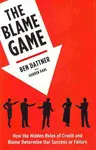
Blame Game
Ben Dattner
FROM HIS YEARS OF EXPERIENCE CONSULTING to leading companies, psychologist Ben Dattner has discovered that at the root of the worst problems we confront at work is the skewed allocation of blame and credit. In so many workplaces, people feel they're playing a high-stakes game of "blame or be blamed," which can be disastrous for the individuals who get caught up in it and can si...
Sinopsis
FROM HIS YEARS OF EXPERIENCE CONSULTING to leading companies, psychologist Ben Dattner has discovered that at the root of the worst problems we confront at work is the skewed allocation of blame and credit. In so many workplaces, people feel they're playing a high-stakes game of "blame or be blamed," which can be disastrous for the individuals who get caught up in it and can sink teams and afflict whole companies. Dattner presents compelling evidence that whether we fall into the trap of playing the blame game or learn to avoid the pitfalls is a major determinant of how successful we will be.
The problem is that so many workplaces foster a blaming culture. Maybe you have a constantly blaming boss, or a colleague who is always taking credit for others' work. All too often, individuals are scapegoated, teams fall apart, projects get derailed, and people become disengaged because fear and resentment have taken root. And what's worse, the more emotionally charged a workplace is—maybe our jobs are threatened or we're facing a particularly difficult challenge—the more emphatically people play the game, just when trust and collaboration are most needed. What can we do? We can learn to understand the hidden dynamics of human psychology that lead to this bad behavior so that we can inoculate ourselves against it and defuse the tensions in our own workplace.
In lively prose that is as engaging as it is illuminating, Dattner tells a host of true stories of those he has worked with—from the woman who was so scapegoated by her colleagues that she decided to quit, to the clueless boss who was too quick to blame his staff. He shares a wealth of insight from the study of human evolution and psychology to reveal the underlying reasons why people are so prone to blaming and credit-grabbing; it's not only human nature, it's found throughout the animal kingdom. Even bats do it. He shows how our family experiences, gender, and culture also all shape the way we cope with credit and blame issues, and introduces eleven personality types that are especially prone to causing difficulties and illustrates how we can best cope with them. He also profiles how a number of outstanding leaders, from General Dwight Eisenhower and President Harry Truman to highly respected business figures such as former Intel CEO Andy Grove and Xerox CEO Ursula Burns, employed the power of taking blame and sharing credit to achieve great success.
The only winning move in the blame game, Dattner shows, is not to play, and the insights and practical suggestions in this book will help readers, at any level of any organization and at any stage of their careers, learn to manage the crucial psychology of credit and blame for themselves and others.
Comentarios
Sé el primero en comentar este libroArtículos relacionados